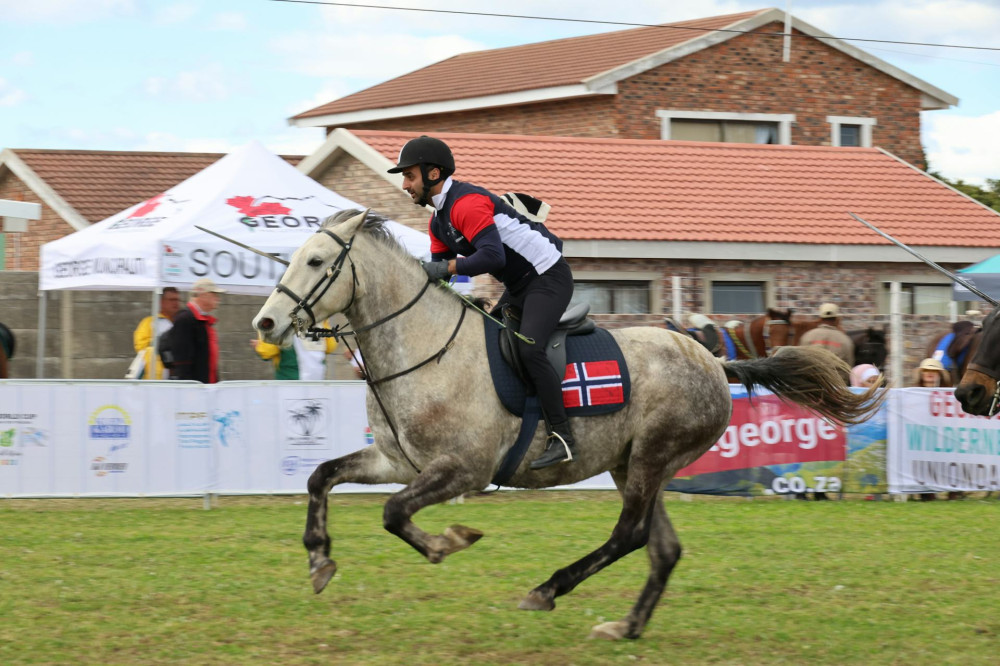
Temperament and Physique: Two Key Factors in a Horse’s Performance

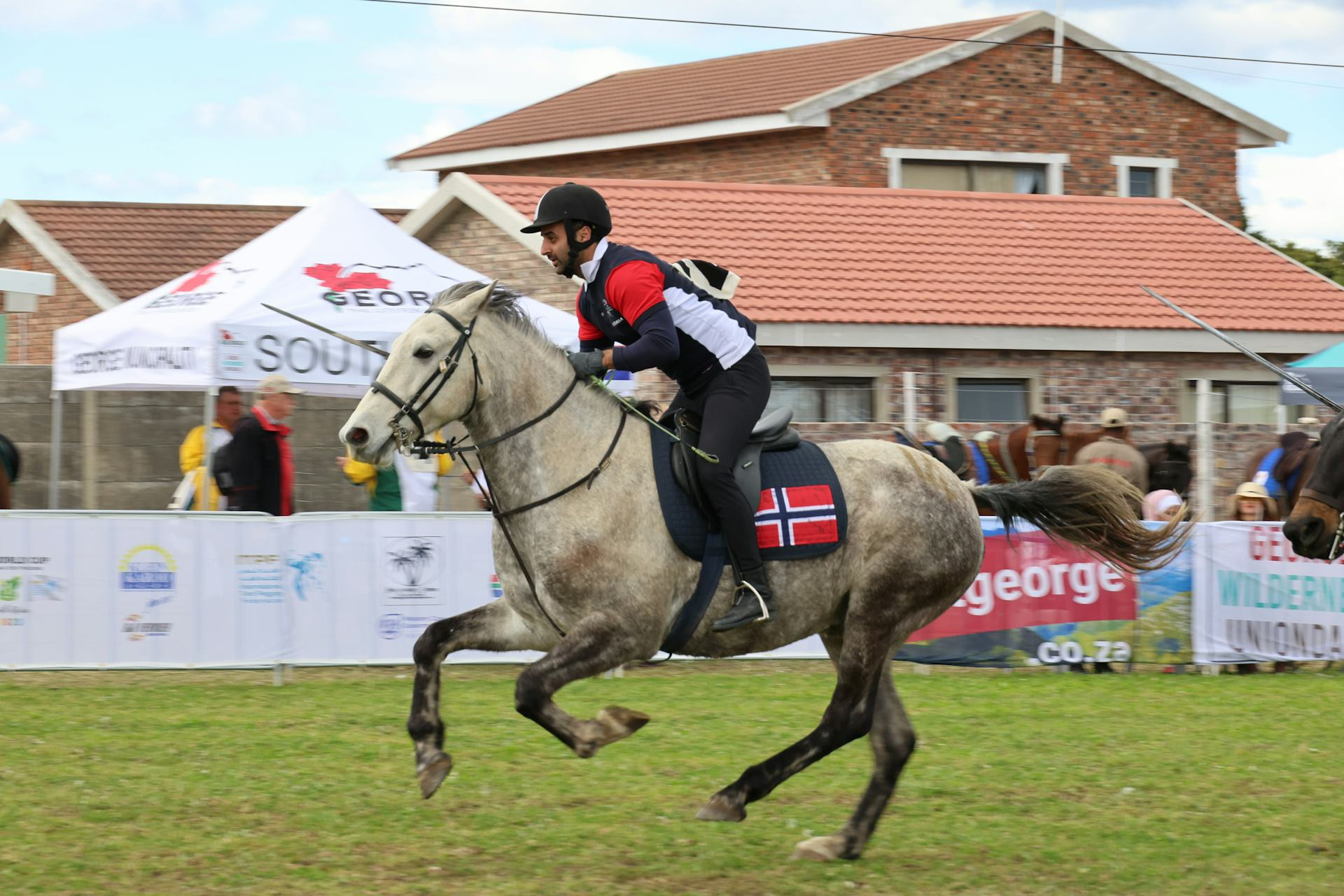
Temperament and Physique: Two Key Factors in a Horse’s Performance
When a horse crosses the finish line, it’s not just muscle and training that determine the outcome. Behind every successful performance lies a combination of physical strength and mental balance — the horse’s temperament. These two factors are deeply connected and can make the difference between an average result and a winning one. But how exactly do temperament and physique interact, and how can trainers and owners work with both to bring out the best in their horses?
The Physique – The Foundation of Performance
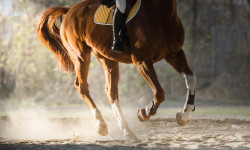
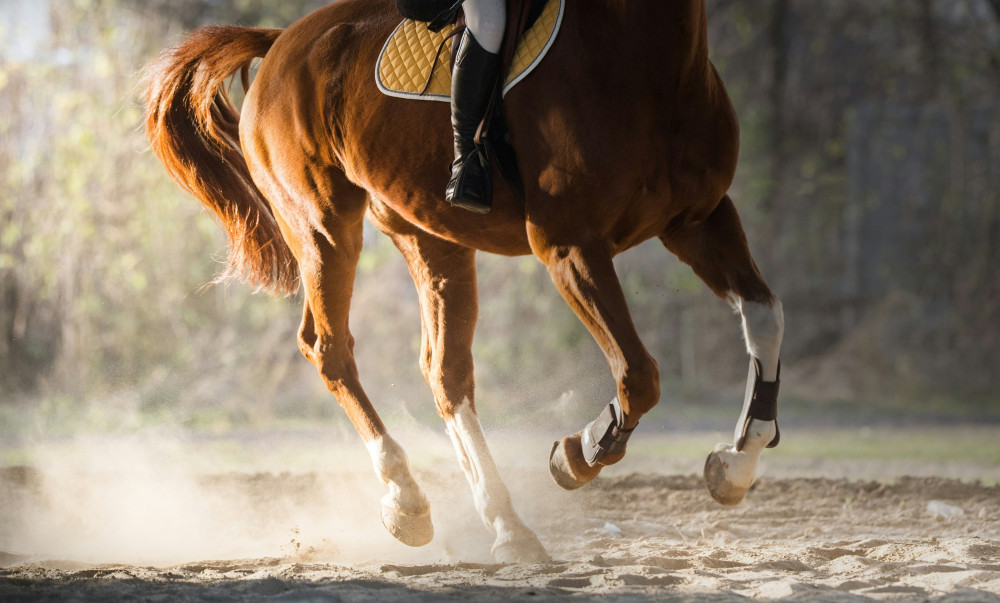
A horse’s physique is its engine. Muscle development, stamina, joint strength, and overall conformation all influence how it performs on the track or in the arena. A horse with strong hindquarters and good balance can channel its power more efficiently, while one with weak structure or poor leg alignment may tire quickly or risk injury.
Training must therefore be tailored to the individual horse’s build. Some horses are naturally explosive sprinters, while others excel in endurance. A skilled trainer recognizes these differences and designs a program that develops the horse’s natural potential without pushing it beyond its limits.
Nutrition and recovery are equally vital. Without proper feed, hydration, and rest, even the most talented horse will lose energy and muscle tone. Everything from hoof care to stable conditions affects physical performance, so the horse’s body must be viewed as an integrated system.
Temperament – The Invisible Driving Force
While physique can be measured and observed, temperament is more subtle — yet just as crucial. A calm, focused horse can handle the stress and excitement of competition, while a nervous or overly spirited one may waste energy before the event even begins.
Temperament also shapes how a horse responds to training. Some thrive on routine and quiet surroundings, while others need variety and stimulation to stay engaged. Experienced trainers learn to read the horse’s signals — its ears, eyes, muscle tension, and reactions — to gauge its mental state.
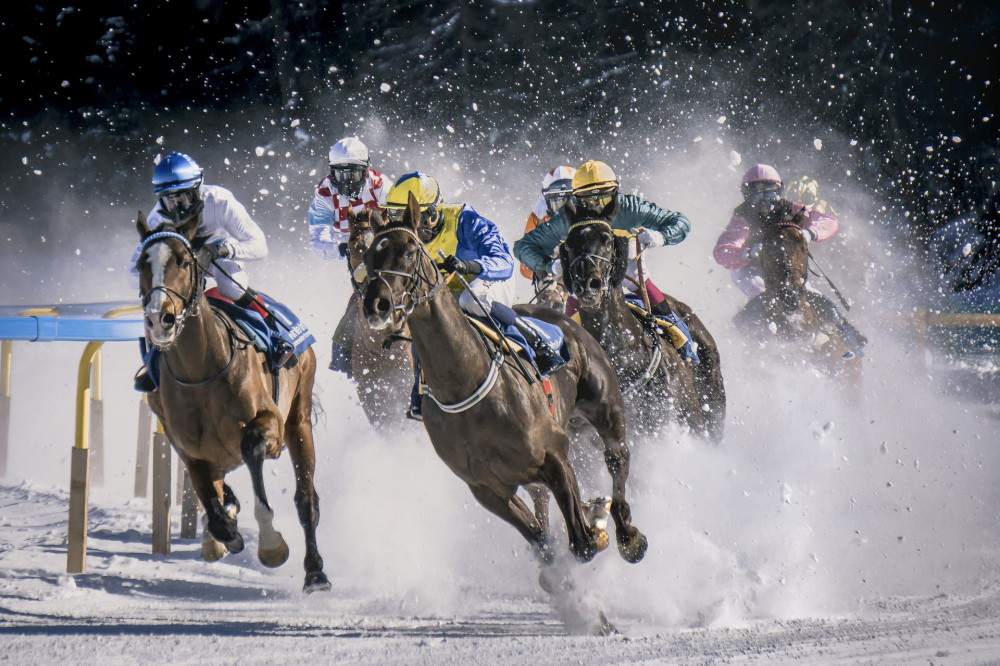
There is no single ideal temperament; it depends on the discipline. A bit of fire can be an advantage in racing, while a steady, composed mind is often preferred in dressage or show jumping. The key is finding the right balance between energy and control.
The Interaction Between Body and Mind
True performance emerges where body and mind meet. A horse with excellent physical ability but an unstable temperament may struggle to reach its potential. Conversely, a mentally strong horse can often compensate for minor physical limitations through determination and focus.
Training should therefore address both physical conditioning and mental confidence. A horse that trusts its rider and feels secure in its environment will perform better. Mental preparation — such as desensitization to crowds, sounds, and starting gates — can be just as important as interval training or strength work.
Breeding and Early Development – Nature and Nurture
Breeders have long sought to combine desirable physical traits with the right temperament. A strong pedigree can provide a head start, but genetics are only part of the equation. Environment, handling, and early experiences play a major role in shaping a horse’s character.
Young horses that are treated with patience and consistency learn to trust humans and adapt to new situations. This mental foundation can make all the difference later, especially under the pressure of competition.
The Role of the Trainer and Rider
Even the best-bred horse needs a trainer who understands its individual needs. A good trainer looks beyond results to the whole picture: how the horse moves, reacts, and recovers. Communication between horse and rider is essential — subtle cues can reveal whether the horse is motivated, anxious, or fatigued.
The rider’s demeanor also has a powerful influence. A calm hand and steady voice can soothe a nervous horse, while tension or uncertainty can amplify stress. It’s a partnership built on trust, where both must be in balance to achieve peak performance.
Læs også:
A Holistic Approach Brings Success
Modern equestrian training increasingly recognizes that performance is not just about speed or strength. It’s about harmony — creating balance between body and mind. A horse that feels mentally secure learns faster, recovers more quickly, and performs more consistently.
That’s why focusing solely on physical conditioning is not enough. The best results come when the horse feels healthy, confident, and motivated — and when the trainer succeeds in uniting temperament and physique into one cohesive strategy.
Læs også: