A Week in the Life of a Racehorse: Training, Routines, and Preparation


A Week in the Life of a Racehorse: Training, Routines, and Preparation
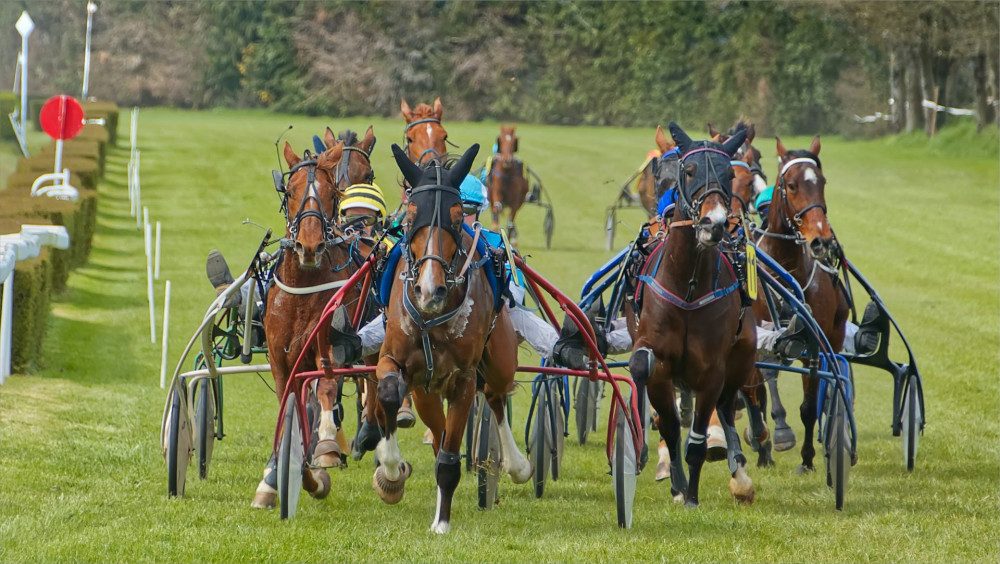
A racehorse’s life is built around precision, discipline, and care. Every day is carefully planned to balance training, recovery, nutrition, and mental well-being. Behind every race at the track lies hours of dedicated work—not only from the horse but also from trainers, grooms, exercise riders, and veterinarians. Here’s a look at what a typical week might look like for a racehorse in the United States and what it takes to keep these athletes in peak condition.
Monday: Recovery and Assessment
If the horse raced over the weekend, Monday is usually a recovery day. The horse might spend time walking under saddle or hand-walking around the barn to loosen up stiff muscles. Trainers and grooms carefully check legs and joints for any swelling or soreness. Early detection of even minor issues is key to preventing injuries.
The horse’s feed is adjusted based on its recent workload. After a demanding race, it may receive extra electrolytes and easily digestible feed to restore energy and hydration levels.
Tuesday: Light Gallop and Conditioning
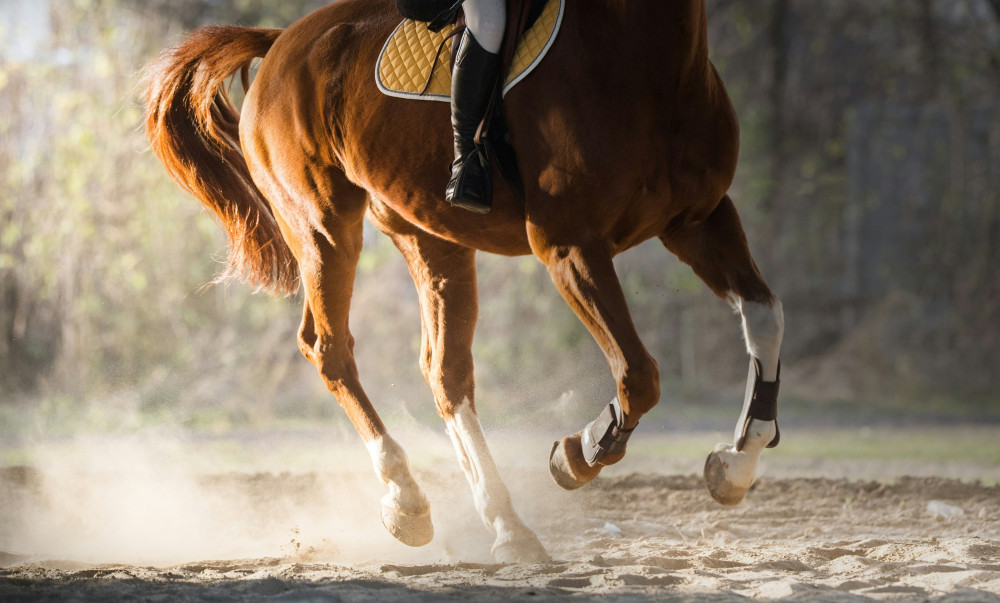
Once the horse has recovered, light training resumes. Tuesday often includes a controlled gallop on the training track—enough to raise the heart rate but not push the limits. The goal is to maintain rhythm, flexibility, and responsiveness.
The exercise rider focuses on balance and communication, using subtle cues to keep the horse attentive. After training, the horse is cooled down, rinsed, and may receive ice therapy or a light massage to aid recovery.
Wednesday: Strong Work and Speed Training
Midweek is typically the most intense training day. This is when the horse might “breeze”—a timed workout that simulates race conditions. The trainer monitors how the horse handles acceleration, pace changes, and overall effort.
These sessions help gauge fitness and readiness for upcoming races. The rider and horse work together to fine-tune timing and responsiveness, building the trust that’s essential when the starting gates open on race day.
After a hard workout, the horse’s legs are cooled with cold water or ice boots, and it’s given plenty of rest, hay, and fresh water. Some barns also use therapies like laser or ultrasound treatments to prevent inflammation.
Thursday: Active Recovery
After the demanding midweek session, Thursday is about active recovery. The horse might spend time in a walking machine, on the track for an easy jog, or even swimming if the facility offers it. Swimming is a popular low-impact exercise that helps maintain fitness while giving joints a break.
Feeding remains carefully balanced—high-quality hay, grains, and supplements tailored to the horse’s energy needs. Trainers and grooms watch appetite and behavior closely, as small changes can signal discomfort or fatigue.
Friday: Focus and Mental Preparation
Friday’s training is shorter and more focused. The horse might practice gate work, transitions, or short bursts of speed to sharpen responsiveness. The goal is to ensure the horse is both physically ready and mentally calm.
Mental preparation is crucial. A racehorse must stay relaxed yet alert, ready to give full effort when the race begins. Trainers aim to keep the horse confident and content, avoiding unnecessary stress that could affect performance.
Læs også:
Saturday: Rest or Travel Day
Depending on the race schedule, Saturday may be a rest day or a travel day. If the horse is racing on Sunday, it’s groomed thoroughly, and equipment is packed for transport. The horse wears a protective blanket and leg wraps to stay comfortable during the trip.
Transport is done in specialized horse trailers designed for safety and stability. The horse is offered water and hay during the journey to keep it calm and hydrated.
Sunday: Race Day – The Week’s Culmination
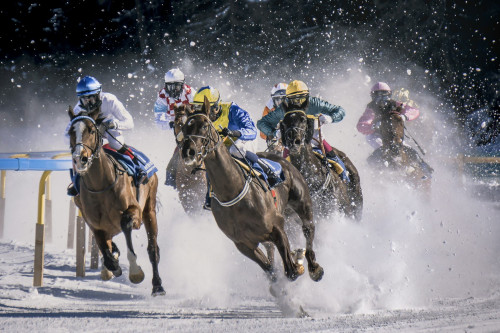
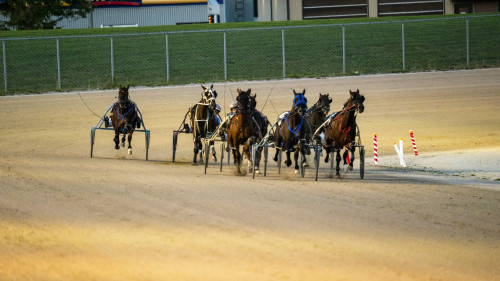
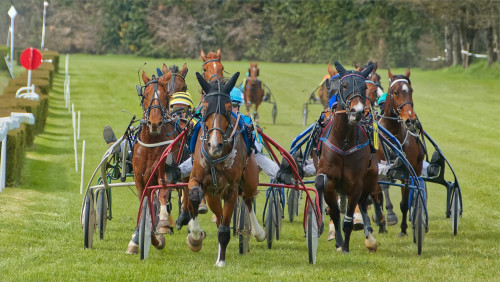
Race day is the highlight of the week. The horse arrives at the track several hours before the race to settle in and get used to the surroundings. After being saddled, it warms up with light jogging and galloping before heading to the starting gate.
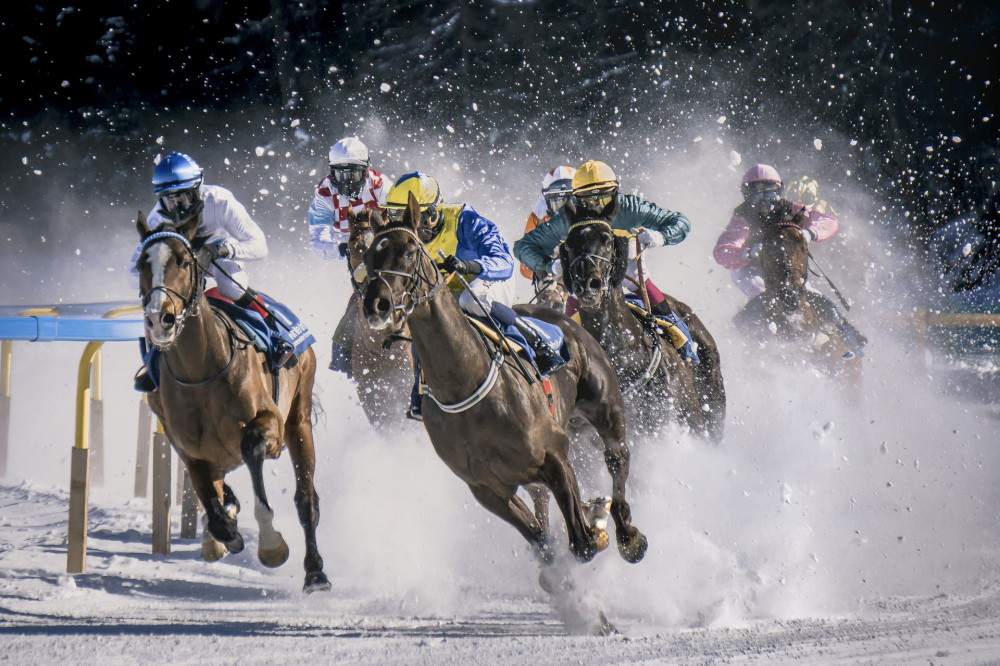
When the gates open, everything comes down to speed, timing, and teamwork. The horse must respond instantly to the jockey’s cues, maintain rhythm, and find the right moment to surge ahead. After the race, the horse is cooled down, given water, and checked thoroughly for any signs of strain or injury.
Regardless of the outcome, race day is a celebration of the partnership between horse and human—a culmination of dedication, care, and trust.
A Life of Balance and Dedication
A racehorse’s life is a delicate balance between strength and care. These animals must be powerful, fast, and courageous, yet also calm and healthy. Behind every victory is a team that knows the horse inside and out—its habits, moods, and limits.
For trainers, success depends on recognizing when a horse is ready to push forward and when it needs to rest. That fine balance between ambition and compassion is what turns a good horse into a champion.
Læs også: