Compare Racetracks and Performances to Find the Strongest Horses

Compare Racetracks and Performances to Find the Strongest Horses
Finding the strongest racehorses isn’t just about counting wins or prize money. A horse’s performance depends heavily on where and under what conditions it runs. Track surface, distance, elevation, and weather all play a role—so does the level of competition. By comparing racetracks and performances across these factors, you can get a clearer picture of which horses truly stand out.
How the Track Affects Performance
No two racetracks are exactly alike. Some are fast and flat, while others have tight turns or deeper footing. That means a horse that dominates at one track might not perform as well at another.
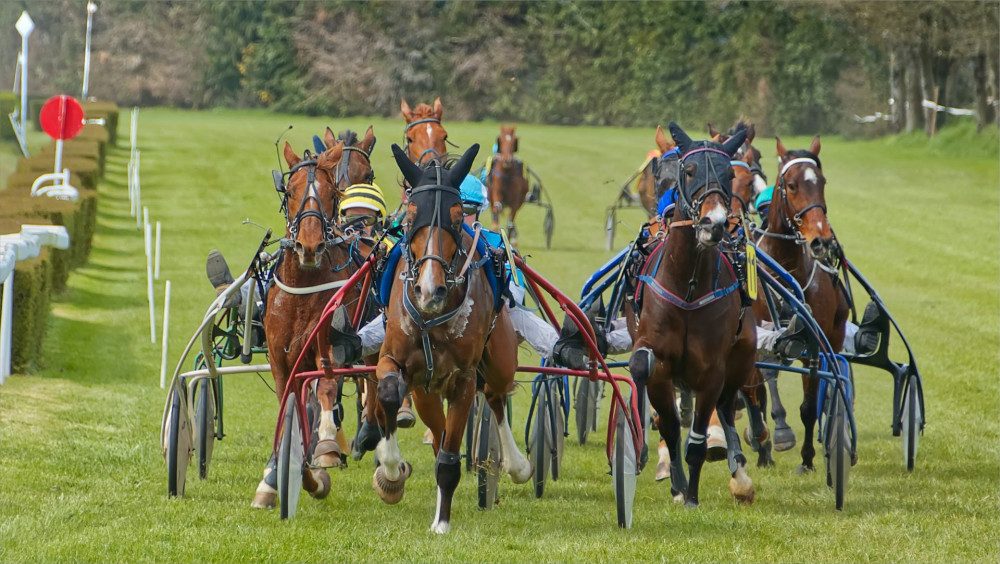
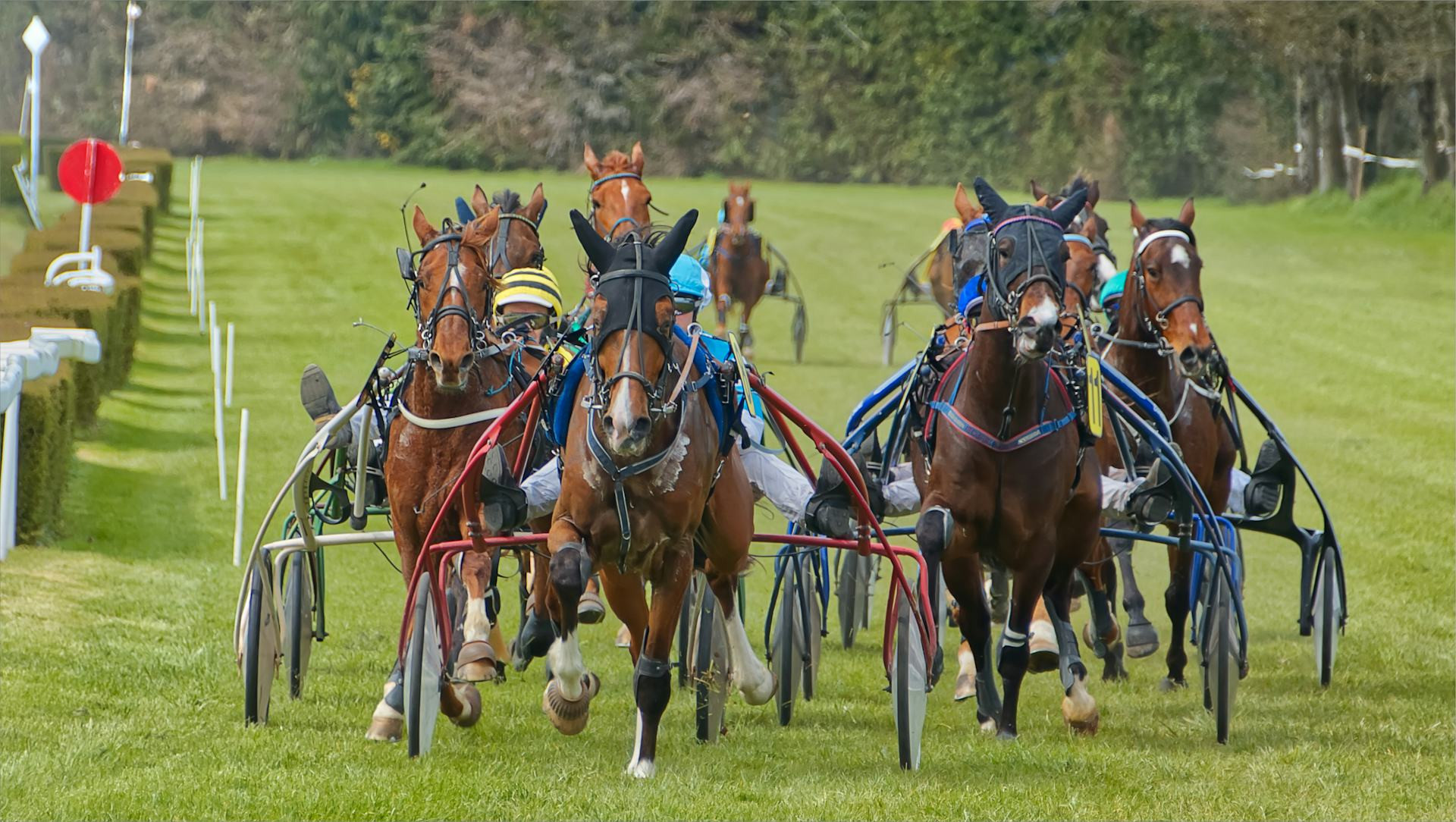
- Turf tracks offer a softer surface but can become heavy after rain. Horses with strong hindquarters and endurance often excel here.
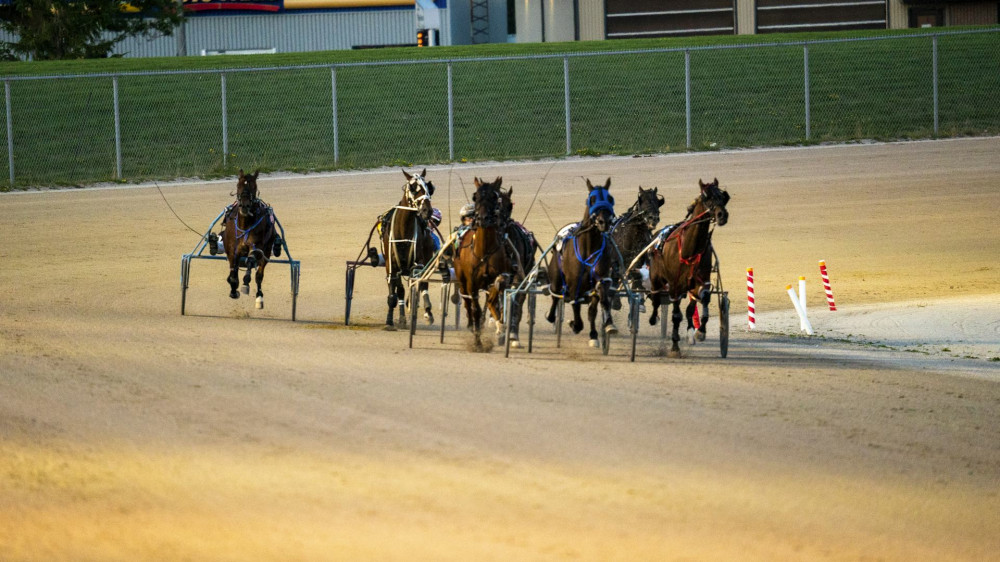
- Dirt tracks—common across the U.S.—are faster but demand explosive acceleration and sure footing.
- Synthetic tracks (all-weather) provide more consistent conditions, though some horses react differently to the firmer surface.
When comparing performances, always note the type of track. A horse that consistently performs well on multiple surfaces shows versatility and strength—qualities that separate the good from the great.
Distances and Race Types
Distance plays a major role in how a horse performs. Some horses are natural sprinters, while others thrive over longer distances.
- Sprints (up to 6 furlongs) require quick bursts of speed and a sharp break from the gate.
- Middle distances (7–10 furlongs) reward both speed and tactical awareness.
- Route races (over 10 furlongs) test stamina and the ability to maintain pace over time.
When comparing horses, look at how they perform within their preferred distance range—and how they handle changes in distance. A horse that can win both short and long races often has a rare combination of power and adaptability.
Weather and Track Conditions
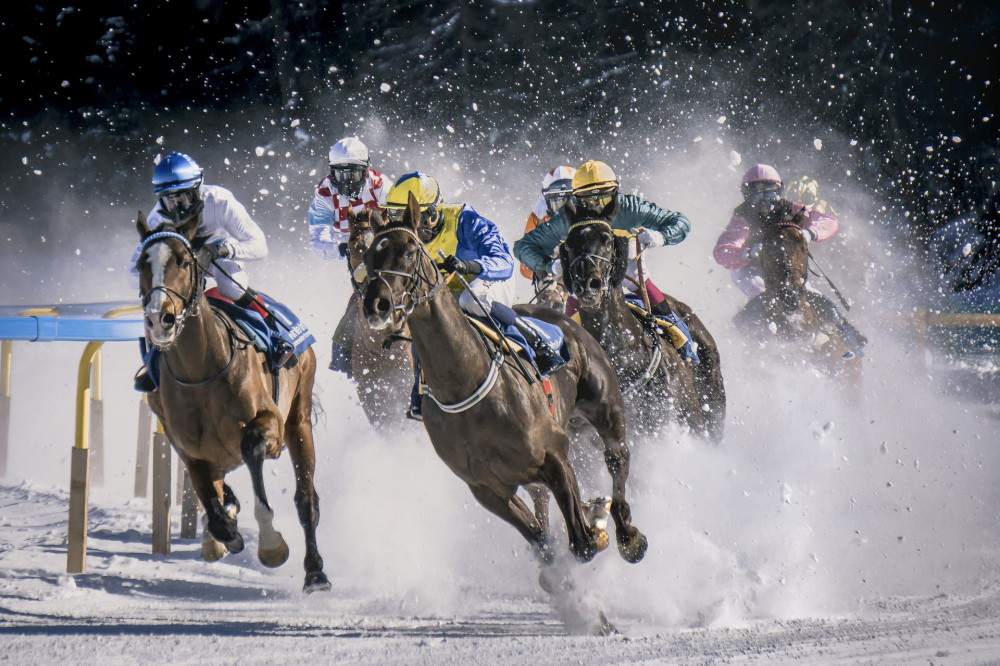
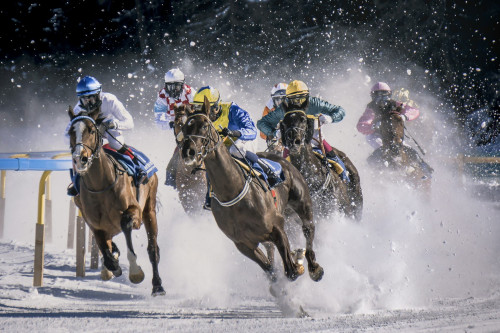
Weather can dramatically change a track’s character. A dry, sunny day produces fast conditions, while rain can make the surface heavy and demanding. That’s why it’s important to consider how a horse performs under different weather and track conditions.
Many handicappers track performance on “fast,” “good,” “muddy,” or “sloppy” surfaces. A horse that runs well in the mud can have a big advantage on rainy days when others struggle for traction.
The Role of the Jockey and Trainer
Even the strongest horse depends on teamwork. A skilled jockey can bring out a horse’s best qualities and adjust tactics to suit the track. Likewise, a trainer who understands a horse’s temperament and physical strengths can choose the right races and conditioning programs.
When comparing performances, note whether the horse has had the same jockey and trainer over time. A consistent team often contributes to steady improvement and reliable results.
Using Data and Statistics
Today’s racing fans and bettors have access to more data than ever before. Digital tools and databases make it easier to compare horses across tracks and conditions. You can find detailed stats on:
- Average race times by track and surface
- Finishing positions relative to post position
- Performance under different weather conditions
- Trends over time—whether a horse is improving or declining
By combining these data points, you can form a more objective view of which horses are truly the strongest—not just the ones with the most wins.
Læs også:
Identifying the Most Consistent Performers
The strongest horses aren’t always the ones that win the most—they’re the ones that perform consistently under a variety of conditions. Look for patterns such as:
- Horses that regularly finish in the top three, regardless of track or weather
- Horses that improve over time, even against tougher competition
- Horses that adapt successfully to new distances or surfaces
By comparing across tracks, distances, and conditions, you can identify horses that possess not only talent but also resilience, intelligence, and determination.
Conclusion: Strength Lies in the Whole Picture
Finding the strongest horses means looking beyond individual races and analyzing the bigger picture. Track type, distance, weather, jockey, and trainer all matter. When you learn to weigh these factors together, you gain a more accurate understanding of which horses truly have the potential to dominate—no matter where they run.
Læs også: