Tires, Fuel, and Endurance: Assessing a Driver’s Ability to Maintain Pace Throughout the Race

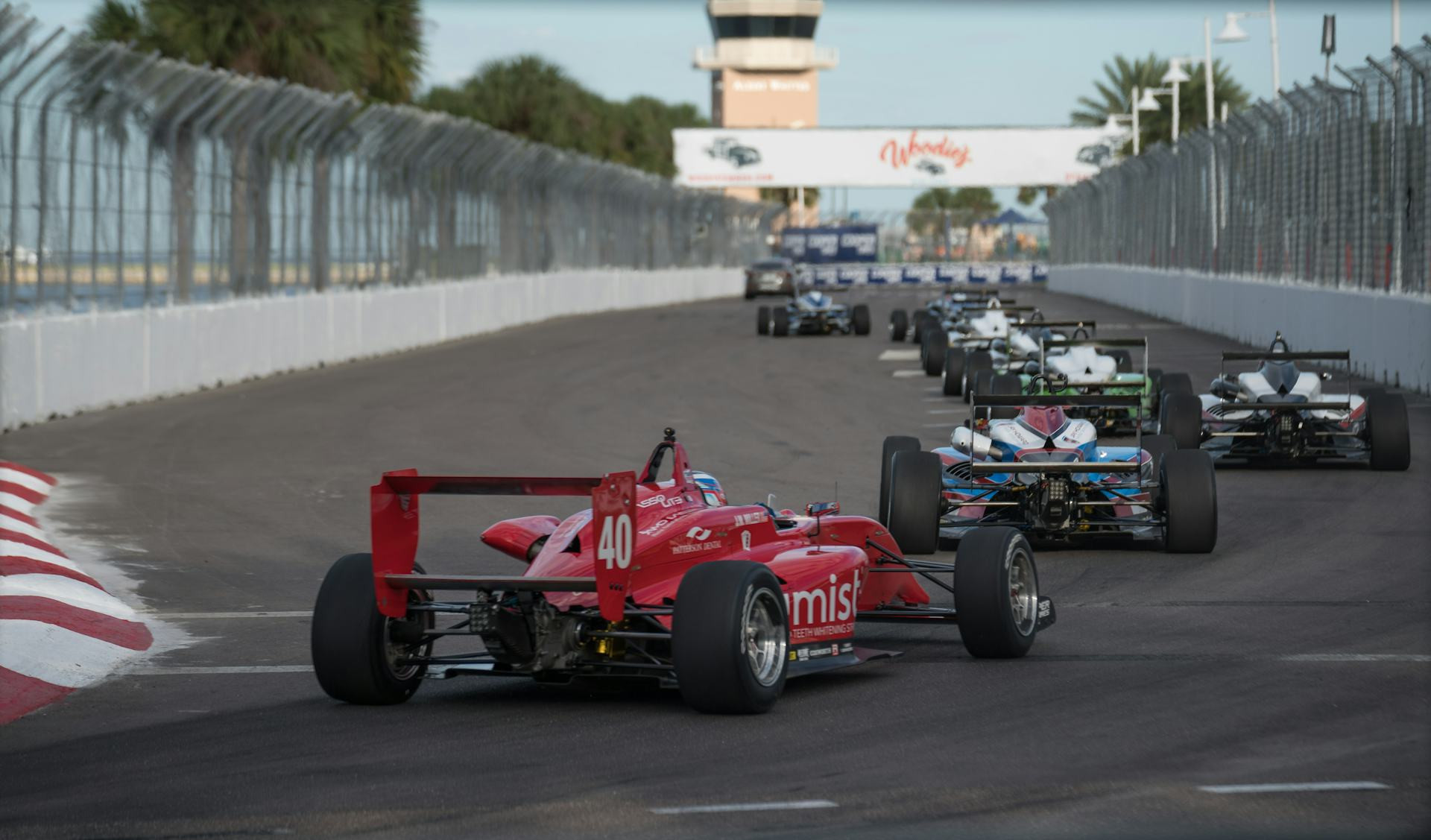
Tires, Fuel, and Endurance: Assessing a Driver’s Ability to Maintain Pace Throughout the Race
In motorsport, victory isn’t just about raw speed. It’s equally about the ability to sustain that speed when the tires wear down, the fuel load lightens, and the driver’s body and mind are pushed to their limits. A driver’s endurance and strategic awareness can make the difference between a podium finish and a race that slips away. But how can we truly assess a driver’s ability to maintain pace from start to finish?
Tires – The First Indicator of Control
Tires are the most critical connection between car and track. They reveal a great deal about a driver’s style and discipline. An aggressive driver might set blistering lap times early on, but if the tires degrade too quickly, the pace will inevitably drop later in the race. A more measured driver who manages tire wear effectively can often gain ground as others struggle for grip.
When evaluating a driver’s endurance, tire management is a key metric. How consistent are their lap times over a full stint? How much does their pace fall off as the tires heat up? And how do they adapt when grip starts to fade? The best drivers adjust their lines, braking points, and throttle application to extend tire life without sacrificing too much speed.
Læs også:
Fuel Load and Weight – The Hidden Variable
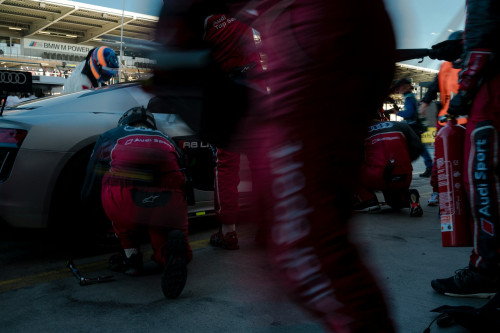
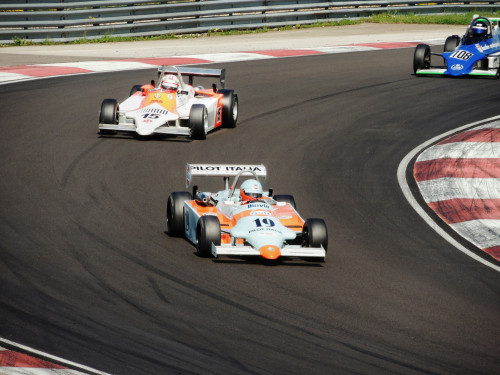
Fuel isn’t just energy; it’s weight. At the start of a race, a full tank makes the car heavier and slower to respond. As the fuel burns off, the car becomes lighter and faster—but its balance and handling characteristics also change dramatically.
A seasoned driver knows how to adapt their driving style as the car evolves throughout the race. This requires both technical understanding and physical endurance. Maintaining a steady pace while the car’s behavior shifts lap after lap is a hallmark of experience and control. It’s often here that the difference between a veteran and a rookie becomes most apparent.
Physical and Mental Endurance
A race at the highest level is a test of athleticism as much as skill. Cockpit temperatures can soar above 120°F, and heart rates remain elevated for hours. Drivers must make split-second decisions, communicate with their teams, and react to changing track conditions—all while maintaining focus and precision.
Mental endurance is just as vital as physical strength. A driver who can stay calm under pressure, recover from mistakes, and continue delivering consistent lap times has a clear advantage. It’s often in the final laps, when fatigue and stress set in, that the truly elite drivers distinguish themselves.
Strategy and Team Collaboration
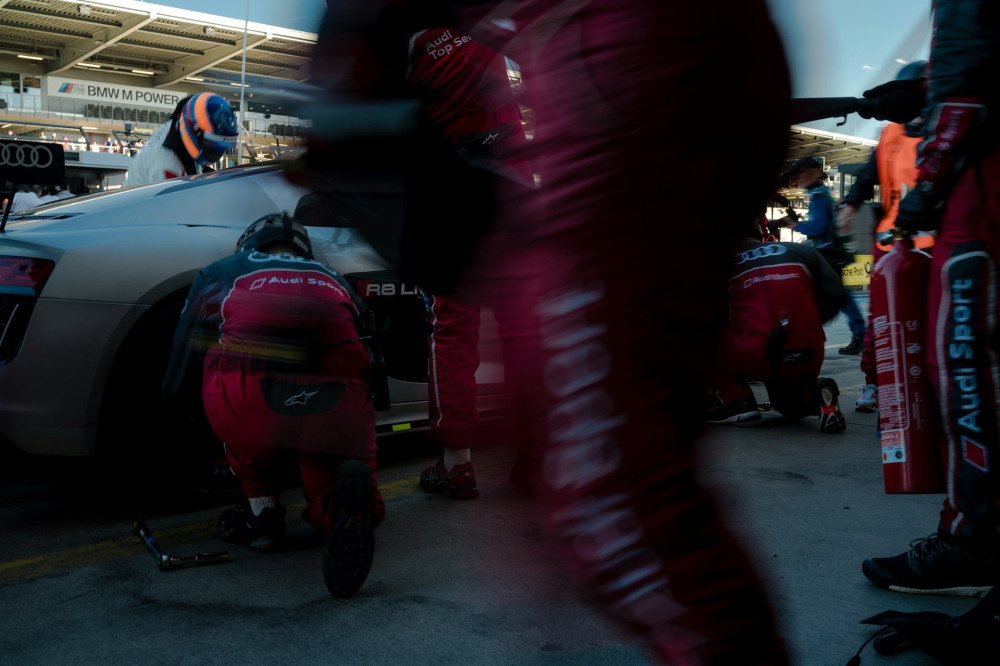
Even the most talented driver can’t win without a cohesive team. Pit stop timing, tire selection, and fuel strategy all play crucial roles in maintaining pace over the course of a race. A driver who communicates clearly and provides accurate feedback about the car’s condition helps engineers make the right calls.
When assessing a driver’s ability to sustain pace, teamwork and adaptability are essential factors. A driver who can adjust to changing strategies and still deliver consistent performance demonstrates maturity and flexibility—qualities that often lead to long-term success.
Data Analysis: The Numbers Don’t Lie
Modern motorsport is driven by data. Lap times, sector splits, and tire temperatures provide objective insight into a driver’s consistency. A smooth performance curve with minimal fluctuations indicates strong control and endurance, while erratic data can reveal issues with focus or technique.
For fans, analysts, and even bettors, these numbers offer valuable clues. A driver who maintains steady pace under varying conditions is often a safer bet than one who shines only in short bursts.
Conclusion: Pace Is More Than Speed
Maintaining pace throughout a race requires a blend of technical skill, strategic thinking, and mental resilience. Tire management, fuel adaptation, and teamwork all form parts of a complex puzzle. The best drivers are those who can balance all these elements—and still find the strength to push when it matters most.
For spectators and analysts alike, this balance is what makes motorsport so captivating: it’s not just about driving fast, but about driving smart—all the way to the checkered flag.
Læs også: