Luck or Knowledge? Understanding the Difference When Betting on Motorsports


Luck or Knowledge? Understanding the Difference When Betting on Motorsports
When you bet on motorsports—whether it’s Formula 1, NASCAR, MotoGP, or IndyCar—it’s easy to think it all comes down to luck. After all, a single crash or a sudden rain shower can change everything. But in reality, knowledge plays a much bigger role than most people realize. Motorsports are complex, where engineering, strategy, weather, and human performance all intertwine. Understanding the difference between luck and knowledge can help you become a more informed and confident bettor.
What’s Luck—and What’s Knowledge?
Luck is the unpredictable: a blown tire, a mechanical failure, a driver error, or a safety car that changes the race order. These are the moments no one can foresee. Knowledge, on the other hand, is everything you can research and analyze before the race even begins.
When you bet with knowledge, you base your decisions on facts—driver form, team performance, car upgrades, track characteristics, and historical data. You can’t eliminate risk, but you can make smarter, more informed choices that tilt the odds in your favor.
Motorsports Aren’t Like Other Sports
In many sports, momentum, tactics, and psychology dominate. In motorsports, those factors matter too, but technology and engineering are just as critical. A car that suits a particular track can make all the difference, even between two evenly matched drivers.
That’s why betting on motorsports requires a different mindset than betting on football or basketball. You need to understand not only the athletes but also the machines, the teams behind them, and how external factors like weather or track temperature can influence performance. This is where knowledge becomes your greatest advantage.
How to Use Knowledge to Your Advantage
If you want to make your motorsport betting more knowledge-driven, start by focusing on three key areas:
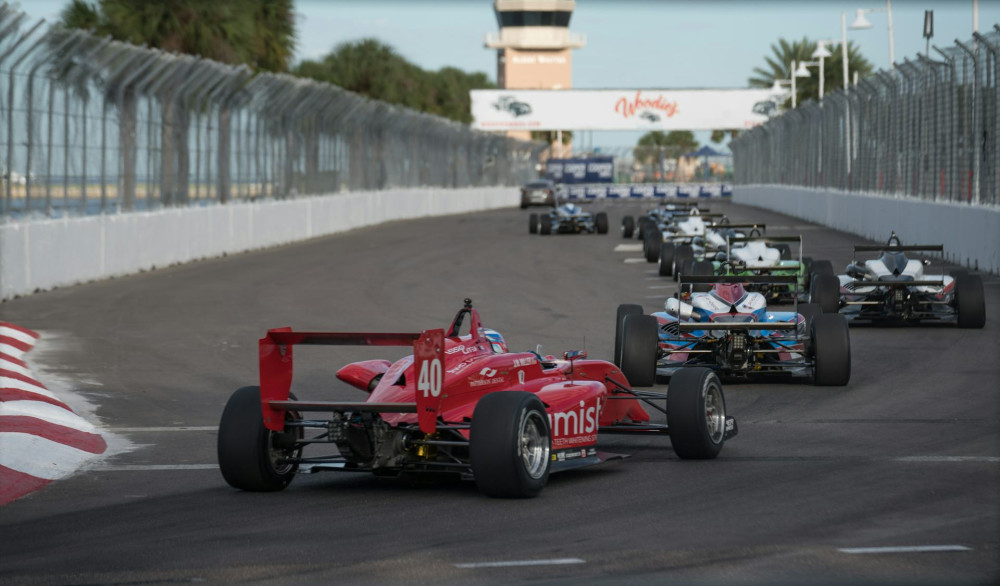
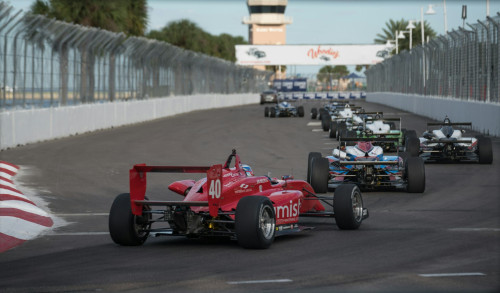
- Track familiarity: Some drivers and teams perform better on certain types of tracks. A tight street circuit like Monaco rewards precision, while a high-speed oval like Daytona favors raw power and drafting skill.
- Form and development: Follow how teams evolve throughout the season. A new engine upgrade or aerodynamic package can dramatically shift the competitive balance.
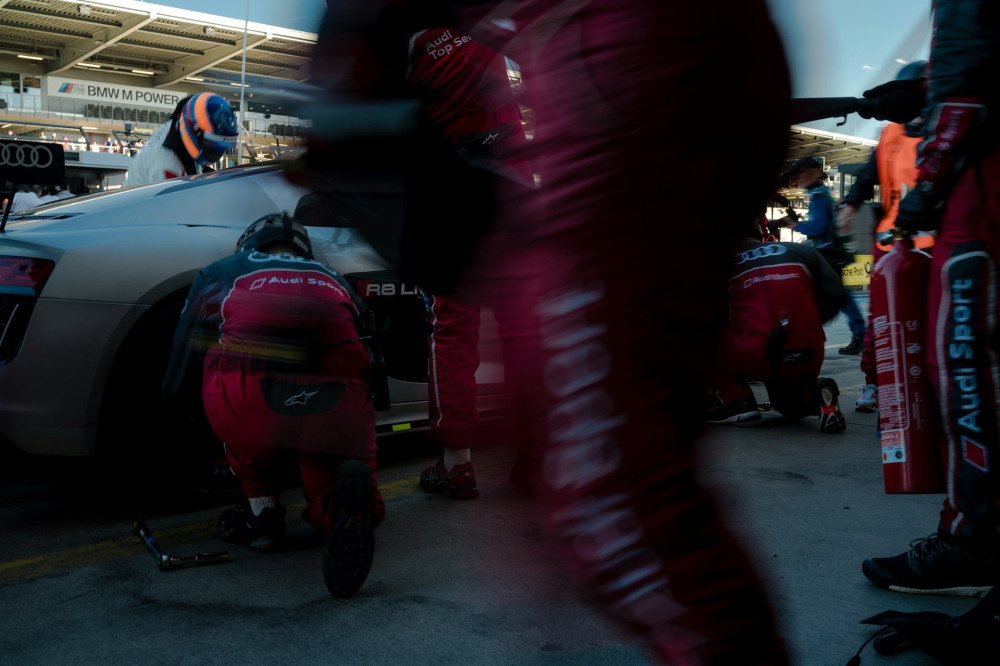
- Strategy and conditions: Weather, tire wear, and pit strategy can all change the outcome of a race. Teams that adapt quickly often gain a crucial edge.
By combining these factors, you can build a more realistic picture of who truly has the best chance to win—and spot when the odds might not reflect reality.
You’ll Never Eliminate Luck Entirely
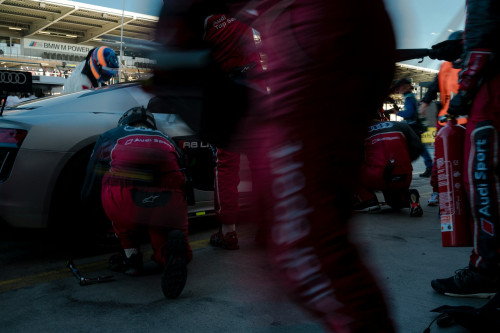
Even the most experienced bettor can’t predict everything. A pit stop error, a sudden crash, or a red flag can turn a race upside down in seconds. That unpredictability is part of what makes motorsports so thrilling—and so challenging to bet on.
The goal isn’t to remove luck, but to understand its role. When you know what you can control and what you can’t, you’ll handle both wins and losses with more perspective.
Læs også:

Balancing Analysis and Intuition
While data and statistics are essential, intuition still plays a part. Many seasoned bettors develop a sense for when the odds seem “off” or when an underdog might surprise. That intuition often comes from experience—knowledge that’s been internalized over time.
The best approach is a balance: use data to form your foundation, and intuition to decide when to act.
A Learning Journey, Not a Lottery
Betting on motorsports shouldn’t be seen as a game of chance, but as a learning journey. The more you understand the sport, the better you’ll become at recognizing patterns and predicting outcomes. That makes the experience not only more exciting but also more meaningful.
Luck will always be part of the equation—but knowledge is what allows you to enjoy the ride with insight and confidence.
Læs også: