From the Pub to the World Stage: Darts’ Road to Professionalism


From the Pub to the World Stage: Darts’ Road to Professionalism
For decades, darts has been synonymous with pub culture, pints, and friendly competition. Yet behind the casual image lies a sport that has transformed into a global entertainment industry with millions of fans, major prize money, and full-time athletes. The journey from smoky British bars to packed arenas and high-definition broadcasts tells the story of how a pastime became a professional sport.
From Pub Game to Organized Competition
Darts traces its roots back to late 19th-century England, where it became a favorite among soldiers and pub-goers. It was cheap, social, and required little space—perfect conditions for a game that spread quickly. Early on, rules varied from pub to pub, but by the 1920s, the dartboard and throwing distance were standardized, laying the foundation for organized play.
The 1970s marked a turning point. The British Darts Organisation (BDO) was founded in 1973, and soon after, the first televised tournaments appeared. Players like Eric Bristow and John Lowe became household names, and darts entered British pop culture. Still, the sport retained its informal pub atmosphere and modest financial rewards.
Læs også:
The Breakaway and the Birth of the PDC
In the early 1990s, a group of top players grew frustrated with the BDO’s limited vision. They believed darts had far greater commercial potential. Their solution was to form a new organization—the World Darts Council, later renamed the Professional Darts Corporation (PDC). This split sparked a new era.
The PDC focused on bigger prize funds, slicker TV production, and a more professional image. Events like the World Darts Championship and Premier League Darts became massive hits, turning players such as Phil Taylor, Michael van Gerwen, and Gerwyn Price into international stars. Today, PDC tournaments rank among the most-watched sporting events in the UK and attract fans from every corner of the globe.
Precision, Practice, and Mental Strength
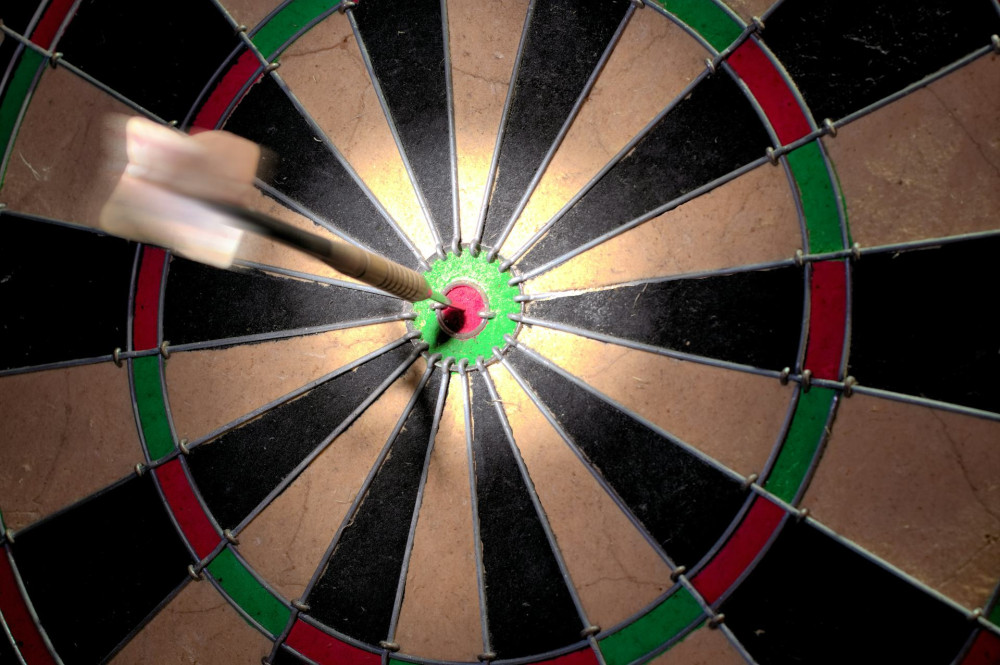
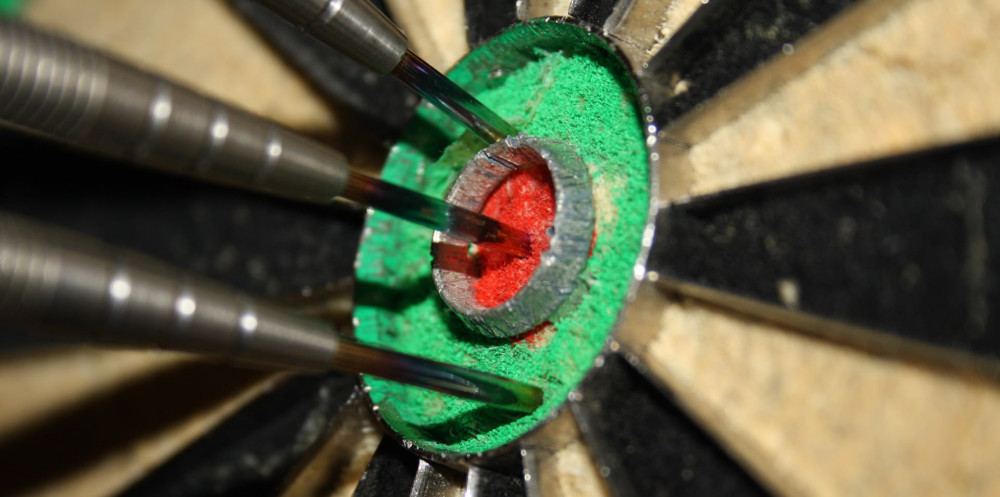
While darts still carries the charm of its pub origins, the professional game demands extraordinary precision and focus. Top players practice for hours each day, refining their throwing technique, rhythm, and consistency. Tiny adjustments in grip, stance, or timing can mean the difference between victory and defeat.
Mental toughness is equally crucial. Standing before thousands of fans and hitting a double to win a match requires nerves of steel. Many professionals work with sports psychologists to manage pressure and maintain composure in high-stakes moments.
Going Global
Professionalization has propelled darts far beyond its British roots. Once centered in the UK and the Netherlands, the sport now thrives in Germany, Australia, and the United States. American players like Leonard Gates and Danny Baggish have begun making their mark on the international stage, while new talents from Belgium, Poland, and Brazil show that darts is truly a global game.
Social media and streaming platforms have also played a major role in this expansion. Highlights of perfect 180s and dramatic finishes rack up millions of views online, and the sport’s lively, fan-driven atmosphere translates perfectly to digital audiences.
From Beer and Banter to Big Money
The gap between amateur and professional darts has never been wider. What was once played for pride and a pint is now a career path with million-dollar prize pools. Sponsorships, betting partnerships, and broadcast deals have made the sport financially sustainable—and have created a new generation of players who see darts not as a hobby, but as a profession.
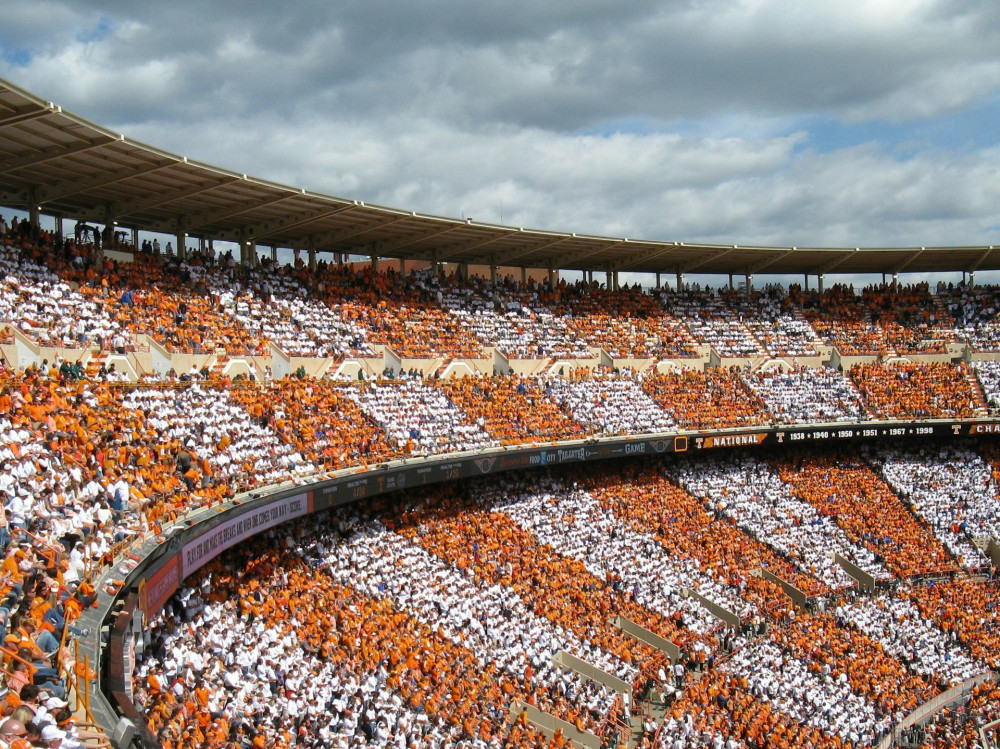
Yet despite the bright lights and big arenas, darts has never lost its down-to-earth spirit. Crowds still sing, cheer, and dress up, and the atmosphere remains as festive as ever—just on a much grander scale.
A Sport Still Evolving
Darts’ rise from pub pastime to global spectacle is a testament to how passion, professionalism, and entertainment can transform even the simplest of games. The sport continues to evolve—technically, commercially, and culturally—and its enduring appeal lies in the balance between the familiar and the extraordinary.
For many Americans, darts is still a friendly game played in bars and basements. For the professionals, it’s a lifelong pursuit. And for the world, it has become a sport that unites precision, drama, and community across borders.
Læs også: