Darts vs. Snooker: What Sets the Betting Markets Apart in Precision Sports?


Darts vs. Snooker: What Sets the Betting Markets Apart in Precision Sports?
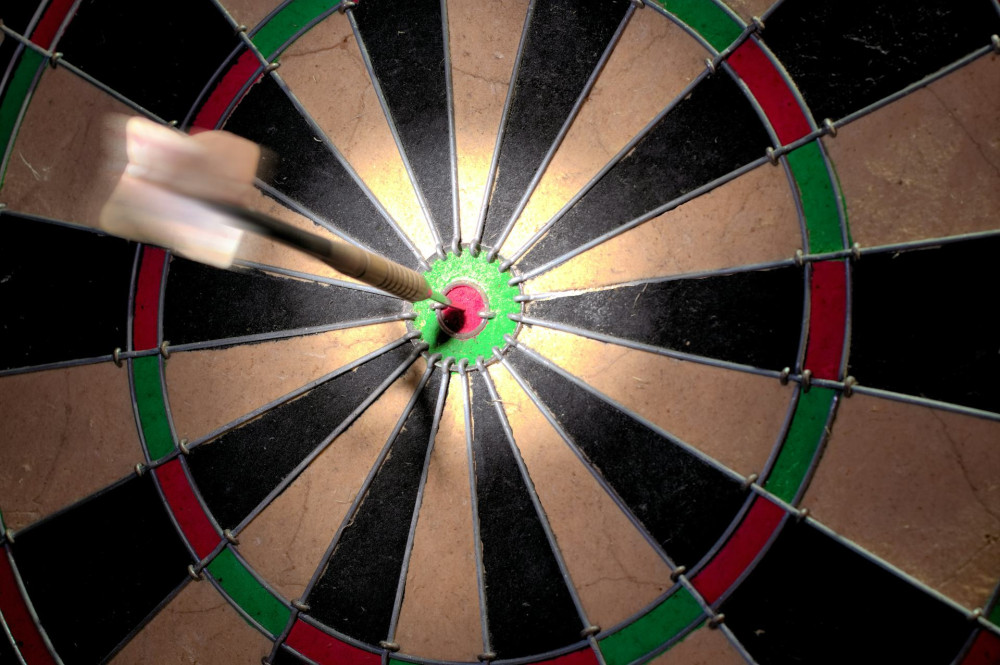
Darts and snooker both belong to the world of precision sports—disciplines where focus, composure, and millimeter accuracy determine success. Yet, while they share a reliance on skill and concentration, their betting markets couldn’t be more different. Darts is fast, volatile, and driven by momentum, while snooker is methodical, strategic, and shaped by long-term consistency. These contrasts are clearly reflected in how odds, markets, and bettor behavior evolve.
Pace and Structure: Two Very Different Rhythms
One of the most striking differences between darts and snooker is the pace of play. A darts match can be over in less than half an hour, while a snooker match—especially in major tournaments—can stretch over several hours or even days. This makes live betting far more prominent in darts, where momentum can shift from leg to leg and players can quickly swing from hot streaks to cold spells.
Snooker, on the other hand, unfolds at a slower, more deliberate pace. Players have time to recover from mistakes, and matches often reward patience and mental endurance. This makes pre-match analysis more valuable, as bettors can assess form, break-building ability, and psychological resilience over time. Snooker betting tends to favor those who think strategically rather than react impulsively.
Market Dynamics: Variance vs. Stability
Darts is known for its high variance. Even top-ranked players can lose to lower-tier opponents if their finishing falters. This unpredictability creates a market full of surprises—and often higher odds for underdogs. Bookmakers adjust quickly, but the volatility means that value bets can often be found in unexpected places.
Snooker, by contrast, is more stable. The best players usually prevail, and the longer match format allows them to recover from early setbacks. As a result, favorites tend to be more reliable, though the odds are typically lower. For bettors who prefer a long-term, data-driven approach, snooker offers a more predictable environment.
Læs også:



Popular Betting Markets in Each Sport
In darts, the most common betting markets include:
- Match winner – who wins the match or tournament.
- Total 180s – how many times players hit three triple 20s in a turn.
- Highest checkout – the highest finishing score achieved in a match.
- Handicap betting – especially useful in longer matches with skill gaps.
In snooker, bettors often focus on:
- Frame betting – how many frames a player will win.
- Century breaks – whether a player will score 100 points or more in a single visit.
- Correct score – predicting the exact frame outcome, often with long odds.
- Outright winner – a popular long-term bet, particularly in major events like the World Championship.
These preferences mirror the nature of each sport: darts thrives on explosive moments, while snooker rewards patience and sustained precision.
Psychology and Momentum
Both sports are mental battles, but the psychological dynamics differ. In darts, crowd noise, stage pressure, and rapid tempo can heavily influence performance—especially in high-profile events like the PDC World Championship. This unpredictability makes it valuable for bettors to track player temperament and recent form closely.
In snooker, the mental game is more subtle. A single missed shot can shift the entire match, but players have time to regroup. Understanding a player’s composure, focus, and history in long matches can give bettors an edge. Some players excel in marathon sessions, while others struggle to maintain concentration.
Data and Analysis: Two Distinct Approaches
Darts is rich in quantitative data—averages, checkout percentages, and 180 statistics. This makes it ideal for statistical betting, where models can be built around measurable performance trends. Snooker, however, demands a more qualitative approach. While stats like pot success and safety success are useful, context and mental state often matter more than raw numbers.
As a result, darts tends to attract bettors who enjoy fast-paced markets and clear metrics, while snooker appeals to those who prefer deep analysis and long-term strategy.
Conclusion: Two Precision Sports, Two Betting Worlds
Though both darts and snooker rely on focus and accuracy, their betting markets operate on entirely different principles. Darts is quick, unpredictable, and momentum-driven—perfect for live betting and high-risk, high-reward plays. Snooker is slower, strategic, and more stable—ideal for analytical bettors who value consistency and patience.
For serious bettors, understanding these structural and psychological differences is key. Success isn’t just about knowing the players—it’s about understanding the nature of the game itself, and how that nature shapes the market.
Læs også: