Weather, Home Field, and Game Plan: Three Factors That Influence Expert Picks in American Football

Weather, Home Field, and Game Plan: Three Factors That Influence Expert Picks in American Football
When analysts make their expert picks for an NFL game, it’s rarely just about stats or star players. Behind every prediction lies a mix of factors that can tilt the balance one way or another. Among the most influential are weather conditions, home-field advantage, and the game plan. Each can dramatically shape how a matchup unfolds—and often determines whether a team exceeds expectations or falls short.
Weather – The Unseen Opponent
Football is played outdoors in nearly every kind of weather, and that unpredictability makes the elements a constant wild card. Rain, snow, wind, and temperature all affect how the game is played and how coaches adjust their strategies.
- Wind can wreak havoc on passing and kicking. Quarterbacks may struggle to throw deep, and kickers must account for unpredictable gusts. In windy conditions, teams often lean more heavily on the running game.
- Rain or snow can turn the field slick, favoring teams with strong ground attacks and disciplined defenses.
- Cold weather can make the ball harder to grip, leading to more fumbles, while heat—especially early in the season—can sap players’ energy and test their conditioning.
That’s why experts always check the forecast before making their picks. A pass-heavy team might lose its edge in a snowstorm, while a physical, run-first squad could suddenly find itself in control.
Læs også:


Home Field Advantage – More Than Just the Crowd
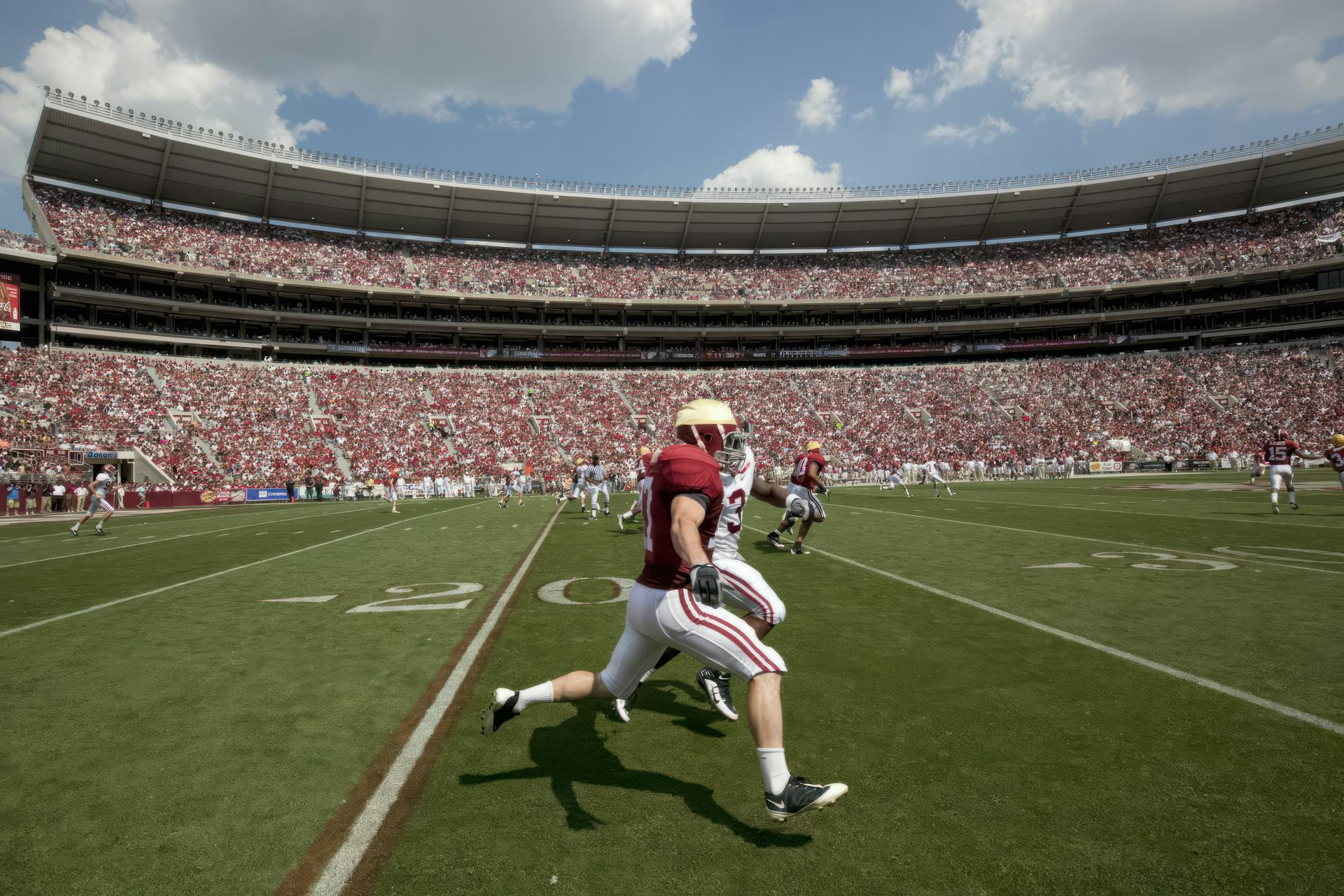
Playing at home offers more than the roar of the fans. It’s about familiarity, travel comfort, and even subtle environmental factors. Historically, NFL teams win roughly 55–60% of their home games, and in certain stadiums, that edge is even greater.
- Crowd noise can disrupt visiting offenses, especially in notoriously loud venues like Arrowhead Stadium in Kansas City or Lumen Field in Seattle.
- Travel and time zones matter too. A West Coast team playing an early game on the East Coast often faces a body-clock disadvantage.
- Field surface and climate can also play a role. A team used to artificial turf might struggle on a muddy grass field, while a dome team could find outdoor winter conditions especially challenging.
For experts, home-field advantage isn’t just a statistic—it’s a context. Sometimes, a solid home team is a smarter pick than a more talented opponent on the road.
Game Plan – The Strategy Behind the Scoreboard
Even the most talented roster can falter if the game plan doesn’t fit the matchup. Coaching strategy—how a team exploits weaknesses and adapts mid-game—is often what separates winners from losers.
- Matchups are key. A dominant offensive line can neutralize a fierce pass rush, while a fast, disciplined defense can shut down a high-powered passing attack.
- Tempo and rhythm also matter. Some teams thrive in fast-paced, no-huddle situations, while others prefer to control the clock and keep the opposing offense off the field.
- In-game adjustments reveal coaching quality. Experts pay close attention to how teams respond when their initial plan isn’t working.
When analysts make their picks, they’re not just looking at past results—they’re projecting how the game plan will unfold. A team that matches up well tactically can pull off an upset, even as an underdog.
The Big Picture – When Factors Intersect
None of these factors exist in isolation. Weather can force a change in strategy, home-field conditions can amplify a team’s strengths, and a smart game plan can overcome tough circumstances. The best experts look at the full picture—how all these elements interact on game day.
For fans and bettors alike, that complexity is part of what makes American football so compelling. Every matchup is a puzzle, and those who understand how weather, home field, and game plan intertwine often have the clearest sense of which way the game will go.
Læs også: