Training Camps and Odds: What Boxers’ Preparation Reveals About the Fight’s Outcome

Training Camps and Odds: What Boxers’ Preparation Reveals About the Fight’s Outcome
When two fighters step into the ring, it’s easy to think the outcome will be decided in those few explosive rounds. But in reality, much of the result is determined long before the first bell. The training camp — the weeks or months of physical, mental, and tactical preparation — often tells the real story. For fans and oddsmakers alike, understanding what happens behind closed gym doors can offer valuable clues about who’s likely to come out on top.
The Training Camp: Boxing’s Hidden Battleground
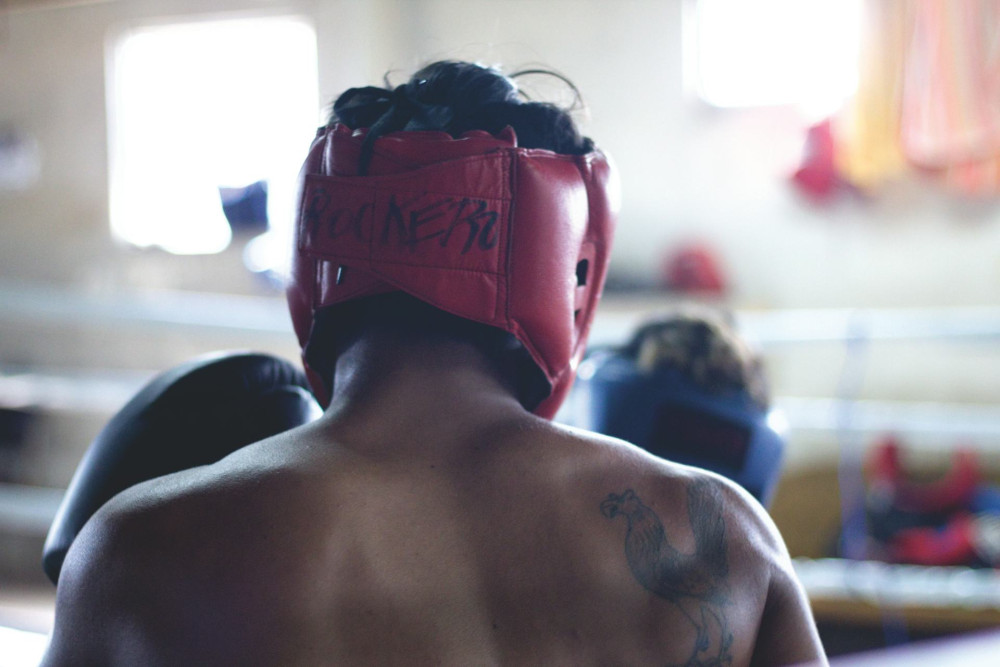
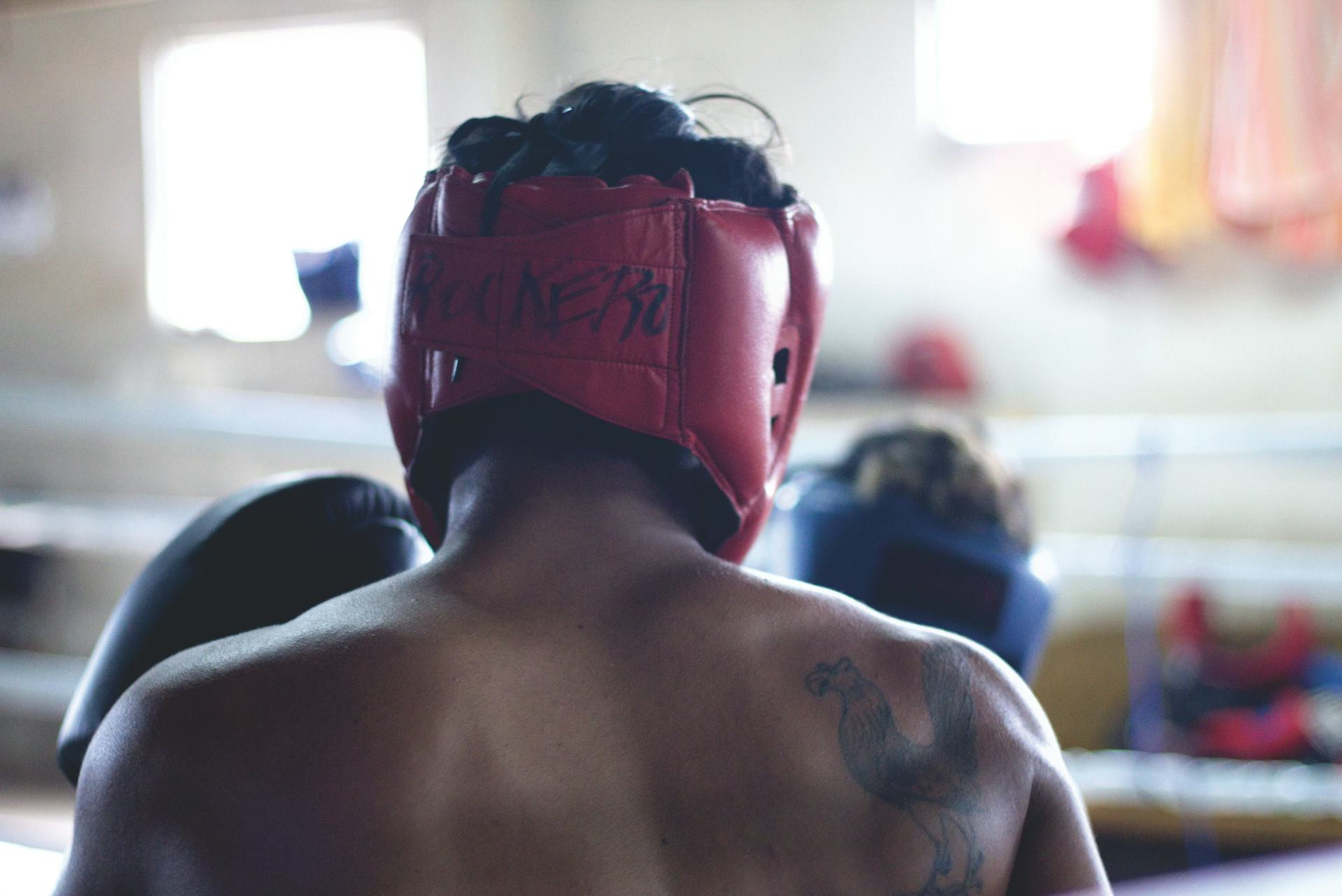
A professional boxer’s life runs in cycles: fight, recovery, and then back to camp. During camp, fighters fine-tune their technique, build endurance, and craft a strategy tailored to their opponent. It’s where the foundation for victory is laid.
A successful camp is about more than just grinding through workouts. Overtraining can lead to fatigue or injury, while undertraining can leave a fighter flat on fight night. Observing how a boxer and their team manage this balance — and whether any setbacks occur — can reveal a lot about their readiness.
Physical Indicators: Weight, Conditioning, and Injuries
One of the most visible signs of a good or bad camp is weight management. Fighters often push their bodies to make weight, and drastic last-minute cuts can sap energy and endurance. If a boxer looks drained at the weigh-in, it might signal that the preparation didn’t go smoothly — and that can shift the odds.
Injuries are another key factor. Even minor hand or shoulder issues can change the rhythm of a fight. Reports of canceled sparring sessions or modified training routines can hint that something isn’t right. In the age of social media, these details often surface before the fight, and sharp bettors pay attention.
Mental Focus and the Role of Environment
Training camp isn’t just physical — it’s psychological. Many fighters isolate themselves from family and distractions to stay locked in. Others prefer familiar surroundings and emotional support. The mental side of preparation can be just as decisive as the physical.
Changes in a fighter’s team or training location can be double-edged. A new coach might bring fresh tactics and motivation, but also uncertainty if the chemistry isn’t there. For those following the sport closely, such shifts can be telling signs of a fighter’s mindset heading into the bout.
Læs også:




Sparring: The Dress Rehearsal for Battle
Sparring partners are chosen with purpose. A boxer preparing for a slick counterpuncher will seek out fast, technical partners to mimic that style. If the sparring is too easy, the fighter may be unprepared for the intensity of the real fight.
Some camps keep sparring sessions private, while others share glimpses online. For attentive fans, these snippets — a sharp combination here, a grueling session there — can reveal how focused and intense the preparation really is.
How Oddsmakers Read the Signals
Sportsbooks and professional bettors track training camp developments closely. A change in weight, a rumored injury, or a new trainer can all move the betting line.
For instance, if a fighter known for stamina issues is reported to have completed an especially tough camp, the odds on them might shorten. Conversely, whispers of poor conditioning or internal tension can push the odds the other way. Smart bettors look beyond records and highlight reels — they study interviews, social media posts, and insider reports from camp.
When Preparation Decides the Fight
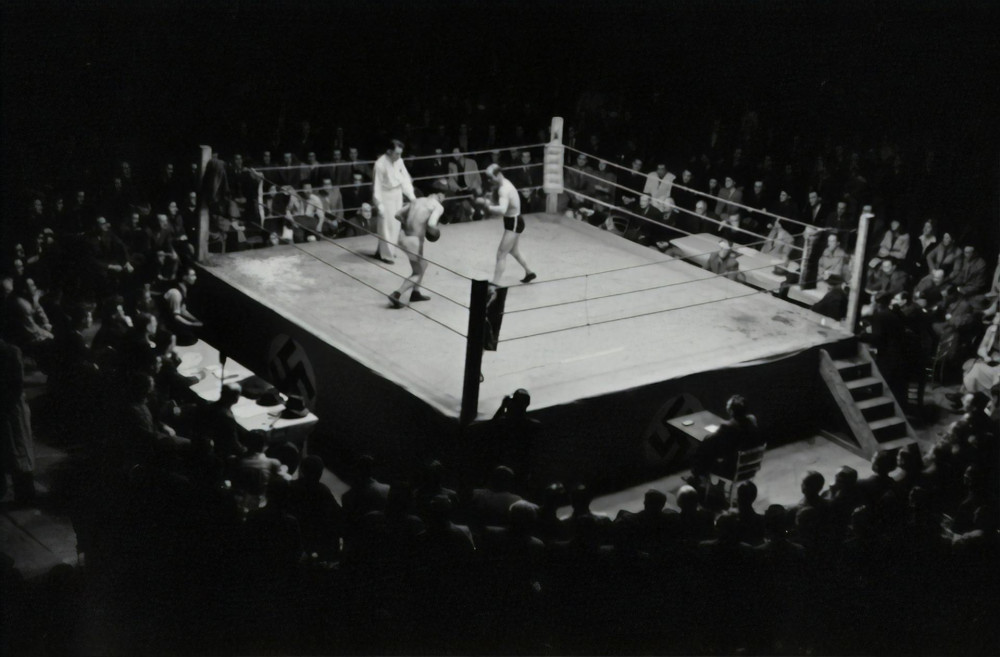
Boxing history is full of examples where preparation — or the lack of it — made the difference. A long layoff, a chaotic camp, or distractions outside the ring can tilt the balance. On the other hand, a disciplined, well-structured camp can turn an underdog into a champion.
For fans and bettors alike, the real fight begins long before the opening bell. The training camp is where victory is built — or lost — one round at a time.
Læs også: