The Speed of the Field and the Dynamics of the Game

The Speed of the Field and the Dynamics of the Game
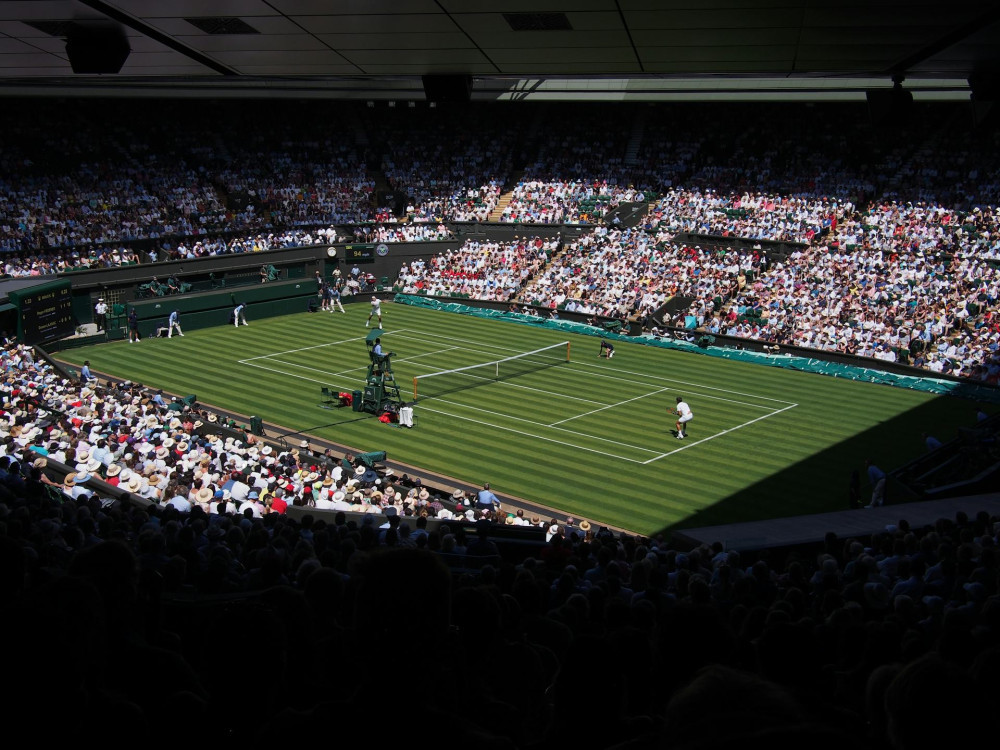
When summer arrives and the tennis world turns its attention to the grass courts of Wimbledon, the game transforms. Grass – the sport’s most traditional surface – offers a pace and rhythm unlike clay or hard courts. The ball skids faster, rallies are shorter, and players must adapt both technique and tactics to gain the upper hand. But what exactly makes grass so distinctive, and how does it shape the dynamics of the game?
A Surface with Its Own Personality
Grass is the most “alive” of tennis’s three main surfaces. It’s made of natural turf that wears down and changes over the course of a tournament. Early in the event, the surface is fresh, the bounce is high and quick, and big servers dominate. As matches pile up, especially along the baseline, the grass thins, the surface becomes uneven, and the bounce turns lower and less predictable.
This constant evolution forces players to adjust from match to match. While clay rewards patience and long rallies, grass demands quick reactions, precision, and the ability to seize opportunities in an instant.
The Pace – From Serve to Net
The smooth texture of grass reduces friction between the ball and the court. That means the ball retains more of its speed after hitting the surface and stays low, making it harder for opponents to control their returns.
This is why players with powerful serves and strong net skills have traditionally thrived on grass. The classic “serve-and-volley” style – where a player follows the serve to the net to finish the point quickly – was practically born on this surface. Although today’s game is more baseline-oriented, grass still rewards those who play aggressively, take the ball early, and aren’t afraid to move forward.
Læs også:



Tactical Adjustments
Playing on grass requires more than just speed – it demands adaptability. Players must modify their footwork, shot selection, and positioning.
- Footwork: Grass can be slippery, especially after rain or heavy use. Players rely on short, controlled steps and constant balance adjustments.
- Shot technique: Flat shots and slices are more effective than heavy topspin, which tends to bounce too high and slow down.
- Positioning: Taking the ball early and controlling the center of the court is key. Standing too far behind the baseline gives the opponent too much time.
These adjustments make the grass-court season a tactical challenge, where even the best players must reinvent their game.
Rhythm and the Mental Game
The speed of grass doesn’t just change the technical side of tennis – it alters the mental one as well. Points are shorter, and there are fewer chances to recover from mistakes. A single missed serve or break opportunity can decide a set.
That puts a premium on focus and confidence. Players must stay calm under pressure and trust their instincts. Momentum can shift in a heartbeat, and mental resilience often proves as important as physical skill.
From Tradition to Modern Tempo
Though grass is steeped in tradition and elegance, the modern game on this surface has evolved. Today’s grass courts are generally slower than they were a few decades ago, and the balls are designed to offer a bit more control. This has balanced the game, giving baseline players a better chance to compete.
Still, grass retains its unique character. It rewards courage, creativity, and quick thinking. It’s where matches can turn on a single point – and where the sport’s most unpredictable and spectacular moments often unfold.
The Magic of Grass
For many players and fans, grass represents the soul of tennis. It combines speed, finesse, and history in a way no other surface can. Every ball that skims across the green carries a piece of the sport’s heritage – reminding us that the true beauty of tennis lies not only in power or precision, but in the rhythm and flow that make the game come alive.
Læs også: