Reflection and Observation: How to Improve Your Cycling Betting Strategy

Reflection and Observation: How to Improve Your Cycling Betting Strategy
Betting on cycling isn’t just about luck—it’s about insight, timing, and the ability to learn from your own decisions. Professional cycling is a complex sport where results are shaped by everything from weather and terrain to team tactics and rider form. That’s why reflection and observation are two of the most powerful tools you can use to refine your betting strategy and achieve more consistent results over time.
Learn from Your Previous Bets
One of the most overlooked aspects of betting is post-analysis. Many bettors focus on the next race but forget to look back at what worked—and what didn’t. Keeping a detailed record of your bets helps you identify patterns in your decision-making.
For each bet, note:
- The race and stage type (mountain stage, time trial, one-day classic, etc.)
- Which riders you backed—and why
- The key factors you considered (form, team strength, weather, motivation)
- The outcome—and what you learned from it
When you review your notes, you’ll start to see which assumptions hold up and which don’t. Maybe you tend to overestimate a rider’s climbing ability or underestimate the impact of crosswinds. These insights are invaluable for improving your future decisions.
Observation: Look Beyond the Results
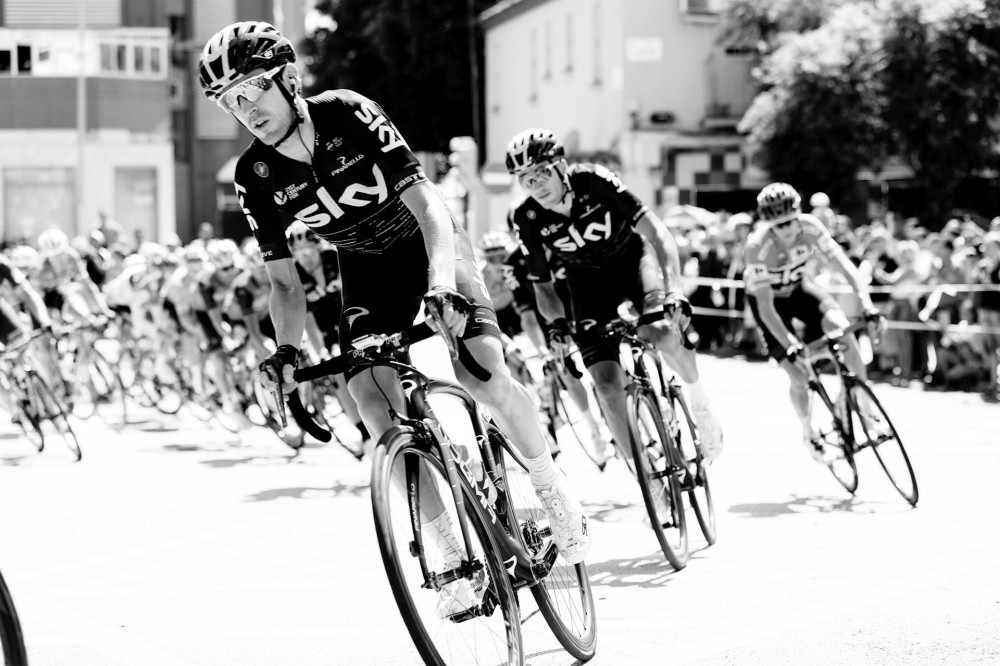
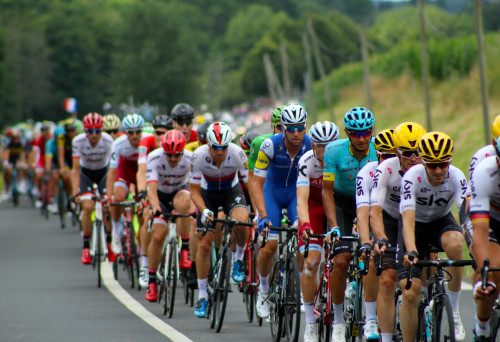
Watching cycling isn’t just about seeing who wins. It’s about observing rider behavior, teamwork, and form progression. A rider finishing 15th might actually be in better shape than someone finishing 5th—it all depends on context.
When you watch races, pay attention to:
- How riders respond to attacks—do they look strong or fatigued?
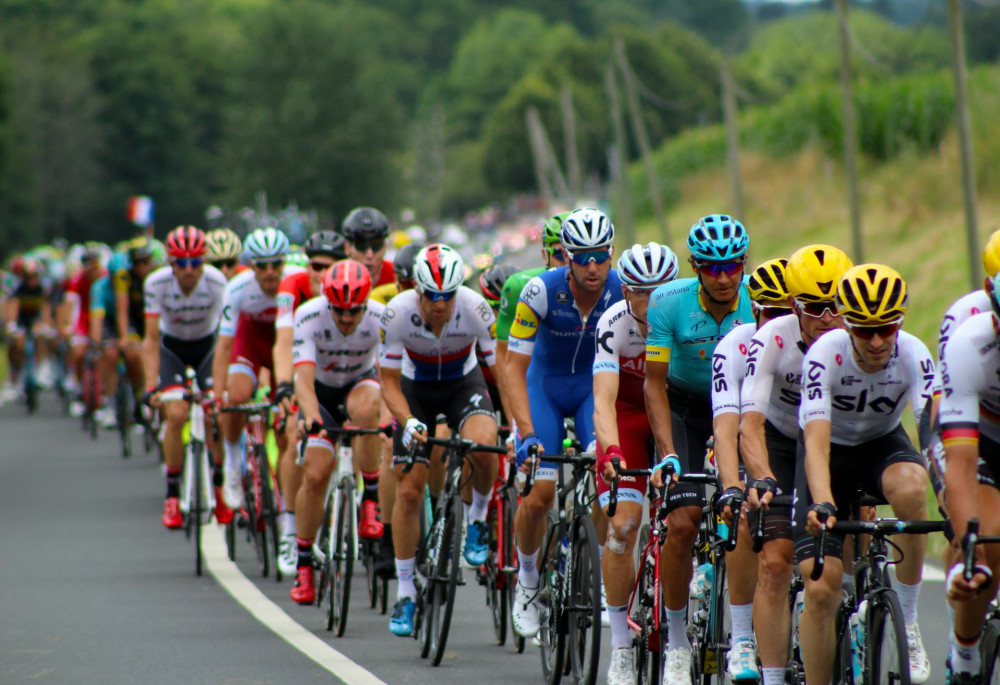
- Which teams control the peloton and who sacrifices for their leader
- Whether a rider races aggressively or conservatively
- How weather and terrain influence the race dynamics
These observations give you an edge because they reveal trends that don’t show up in the results sheet. A rider showing steady improvement but not yet winning could be a smart pick for upcoming races.
Understand Context and Motivation
Cycling races don’t exist in isolation. Each event fits into a broader season plan, where riders and teams prioritize differently. A team leader might use a smaller race as preparation for the Tour de France, while a domestique could get the freedom to chase a result.
Ask yourself:
- What does this race mean for the rider and the team?
- Is the rider building form, peaking, or winding down?
- What are the team’s goals at this point in the season?
Understanding the motivation behind performances helps you judge when a rider is worth backing—and when it’s better to hold off.
Læs også:

Reflection as Part of the Strategy
Reflection isn’t just about analyzing data—it’s about understanding your own decision patterns. Many bettors are influenced by emotions: excitement for a favorite rider, frustration after a loss, or the urge to “win back” what was lost. These emotional reactions can lead to impulsive choices.
Take time to ask yourself:
- Why did I place this bet?
- Was it based on facts or gut feeling?
- How did I react to the result?
Becoming aware of your own tendencies helps you minimize emotional pitfalls and make more rational decisions.
Use Data—but Don’t Ignore Intuition
Data analysis has become a key part of modern betting. You can find statistics on riders’ power outputs, team performances, and historical results on specific routes. But data doesn’t tell the whole story. Cycling is unpredictable, and intuition—built from experience and observation—still matters.
The best strategy combines both: use data to identify probabilities, and use your experience to recognize when the numbers don’t capture the full picture.
A Continuous Process
Improving your cycling betting strategy is an ongoing process, not a final goal. The more you observe, reflect, and adjust, the better you’ll understand the sport’s nuances. It’s not about being right every time—it’s about becoming more accurate over time.
By combining reflection and observation, you can build a strategy based not on luck, but on insight—and that’s where long-term success truly begins.
Læs også: