Rebounds, Blocks, and Shooting Percentages: How to Analyze a Center’s Performance


Rebounds, Blocks, and Shooting Percentages: How to Analyze a Center’s Performance
In basketball, the center is the anchor of both the offense and defense. They protect the rim, battle for rebounds, and finish plays near the basket. But how do you really know if a center is performing well? Stats like rebounds, blocks, and shooting percentages tell part of the story—but context and team strategy matter just as much. Here’s a guide to understanding how to evaluate a center’s performance, whether you’re watching the NBA, college basketball, or your local high school team.
Rebounds – Owning the Paint
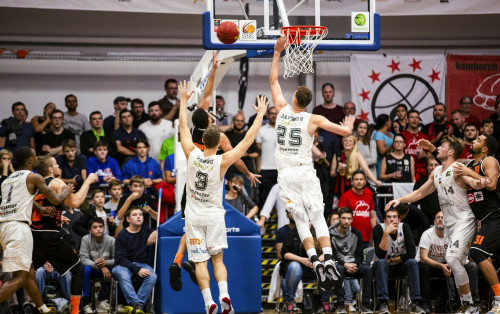
Rebounding is one of the most visible and important responsibilities for a center. It shows how effectively a player can secure the ball after a missed shot—on both ends of the floor.
- Defensive rebounds reflect how well the center protects the rim and ends the opponent’s possession. A strong defensive rebounder helps the team control tempo and start fast breaks.
- Offensive rebounds demonstrate strength, timing, and hustle. They create second-chance opportunities and can shift momentum in a game.
When analyzing rebounding, don’t just look at total numbers. Consider rebound percentage—the share of available rebounds a player actually grabs while on the floor. This gives a more accurate picture than raw totals, especially for players with limited minutes.
Blocks – The Art of Rim Protection
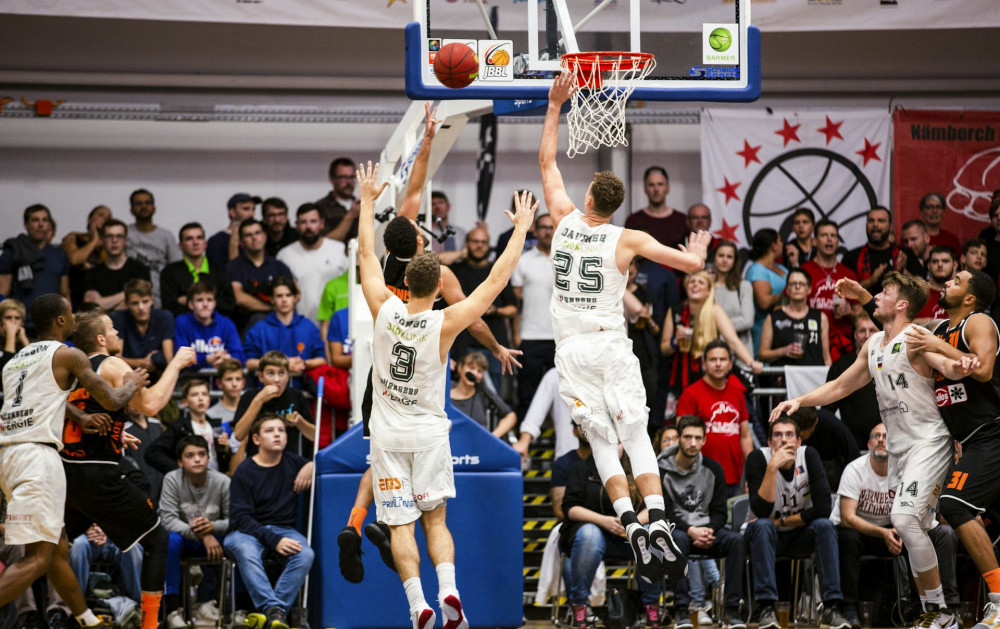
A center’s ability to block shots is often what excites the crowd, but blocks are about more than highlight plays. They reveal timing, positioning, and defensive awareness.
A great rim protector doesn’t need to record a high number of blocks per game. Some players alter shots simply by being in the right place—forcing opponents to change their approach. When evaluating blocks, look at:
- How many shots the center blocks relative to their minutes played.
- Whether they avoid unnecessary fouls—chasing blocks can lead to foul trouble.
- How their presence affects opponents’ field goal percentage near the rim.
A high block total is impressive, but the best defenders make opponents think twice before even attempting a shot.
Shooting Percentages – Efficiency Over Volume
A center’s offensive value is rarely about how many shots they take, but rather how efficiently they convert their opportunities. Field Goal Percentage (FG%) is a key stat here.
Most centers take high-percentage shots near the basket, so an FG% above 55% is typically a sign of efficiency. But to get a full picture, also consider:
- Shot selection – Does the player take smart, high-quality shots, or force difficult ones?
- True Shooting Percentage (TS%) – A more advanced metric that includes free throws and three-pointers.
- Points per possession – How many points the team scores when the center is involved in the play.
A center who scores efficiently without dominating the ball can be invaluable to a team built around strong perimeter players.
The Intangibles – Screens, Spacing, and Communication
Not everything that matters shows up in the box score. Much of a center’s value lies in the “invisible” work that keeps the team functioning smoothly. Setting solid screens, maintaining proper spacing, and communicating on defense are all crucial.
When watching a game, pay attention to:
- How the center sets screens to free up shooters.
- Whether they roll to the basket after setting a screen, creating pressure on the defense.
- How they direct teammates on defense, helping to close gaps and protect the paint.
These subtle contributions often separate a good center from a truly impactful one.
Context Matters – Role and System
A center’s numbers should always be viewed in the context of their team’s style and system. A defensive-minded center in a slow-paced team will have different stats than an athletic, fast-paced big man. Always consider role and context.
Is the player facing elite competition? Are they asked to focus on defense or to be a scoring option? Stats only make sense when interpreted within the framework of the player’s responsibilities.
Læs også:



How to Do Your Own Analysis
If you want to dig deeper, websites like Basketball Reference, NBA.com/stats, or Synergy Sports offer detailed data. Combine the numbers with video highlights to see how those stats come to life on the court.
A good starting point is to compare:
- Offensive and defensive rebound percentages
- Block rate
- FG% and TS%
- Plus/minus – how the team performs when the player is on the floor
By looking at the full picture, you’ll gain a more nuanced understanding of what makes a center effective—and why some players stand out even without scoring big.
Conclusion: The Whole Picture Counts
A center’s performance can’t be summed up by a single stat. It’s about the balance between defense, efficiency, and teamwork. The best centers combine strength and skill with intelligence and discipline. When you learn to read the numbers in context with the flow of the game, you’ll see what truly makes the difference under the rim.
Læs også: