Gaming Habits and Personality Types: What Does Your Play Style Reveal About You?


Gaming Habits and Personality Types: What Does Your Play Style Reveal About You?
Why do some players take bold risks while others prefer careful, calculated moves? Whether it’s poker, fantasy football, board games, or online gaming, the way we play often says more about us than we realize. Research in psychology and gaming behavior suggests that our play style can reflect traits like risk tolerance, patience, and our need for control. Let’s explore what your gaming habits might reveal about your personality—and how that insight can help you understand yourself and others a little better.
The Strategic Player – The Planner with a Vision
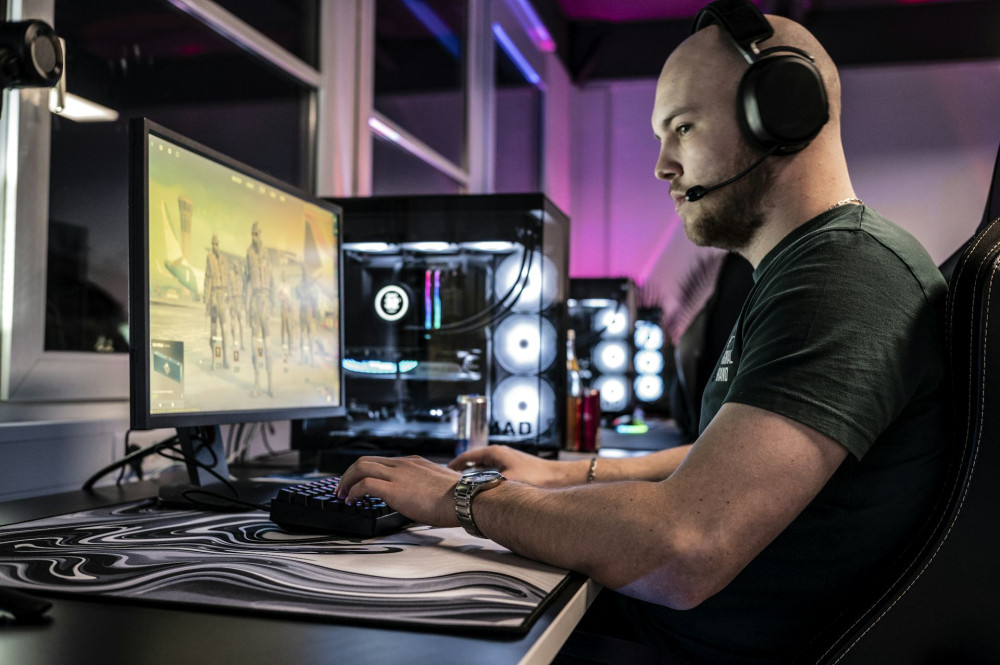
The strategic player is always thinking several steps ahead. For them, gaming isn’t just about luck—it’s about reading the situation, analyzing opponents, and making deliberate choices. You’ll often find this type among chess enthusiasts, poker players, or fans of complex strategy games like Civilization or StarCraft.
Personality-wise, strategic players tend to be rational, organized, and goal-oriented. They thrive on structure and control, both in games and in life. Their challenge? Sometimes they can get so focused on winning that they forget to enjoy the process.
Læs også:



The Impulsive Player – Fueled by Thrill and Intuition
For the impulsive player, gaming is all about the rush of the moment. They act fast, trust their gut, and love the adrenaline that comes with high-stakes decisions. You’ll find them in fast-paced shooters, casino games, or live sports betting—anywhere quick reactions and excitement rule.
Impulsive players are often outgoing, energetic, and risk-taking. They crave novelty and excitement, but that same drive can make it hard to slow down or set limits. For them, learning to balance spontaneity with self-control can help keep gaming fun and healthy.
The Social Player – Connection Comes First
For the social player, gaming is about people, not points. Winning is nice, but the real reward is the shared experience. They love party games, co-op adventures, and online communities where teamwork and laughter take center stage.
Social players are typically empathetic, cooperative, and relationship-oriented. They use games to strengthen bonds and create memories. For them, the joy lies in the camaraderie—whether it’s a family game night or a late-night session with friends across the country.
The Analytical Player – The Thinker and the Tactician
The analytical player sees every game as a system to be understood and mastered. They study stats, probabilities, and strategies to maximize their odds. You’ll find them in fantasy sports leagues, trading simulators, or complex RPGs where data and logic can make all the difference.
Analytical players are usually curious, detail-oriented, and methodical. They enjoy uncovering patterns and applying their insights to real life—whether in finance, career planning, or problem-solving. Their challenge is remembering that gaming isn’t just about optimization—it’s also about enjoyment.
The Casual Player – Gaming as Relaxation
For the casual player, gaming is a way to unwind. They play to relax, not to compete. They gravitate toward simple, low-pressure games—mobile puzzles, cozy simulators, or lighthearted adventures that offer a break from daily stress.
Casual players tend to be balanced, patient, and easygoing. They see gaming as recreation, not a test of skill. Their approach reminds the rest of us that games are, at their core, meant to bring joy and relaxation.
What Can You Learn from Your Play Style?
Understanding your gaming style can offer insight into how you handle risk, make decisions, and manage emotions—not just in games, but in everyday life. Are you the type who plans every move, or do you thrive on spontaneity? Do you play for connection, competition, or calm?
There’s no “right” way to play. The key is to recognize what motivates you and to game in a way that fits your personality—and your well-being. When you understand yourself as a player, gaming becomes more than just entertainment. It becomes a window into who you are.
Læs også: